
The Republic of Chad

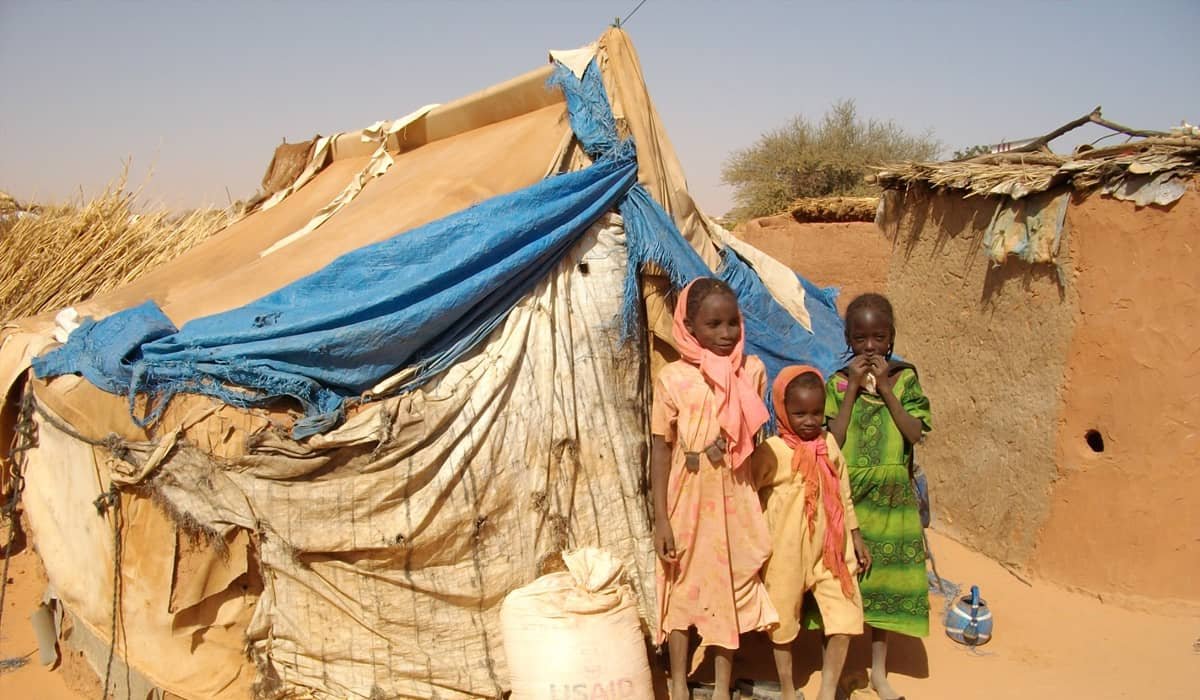
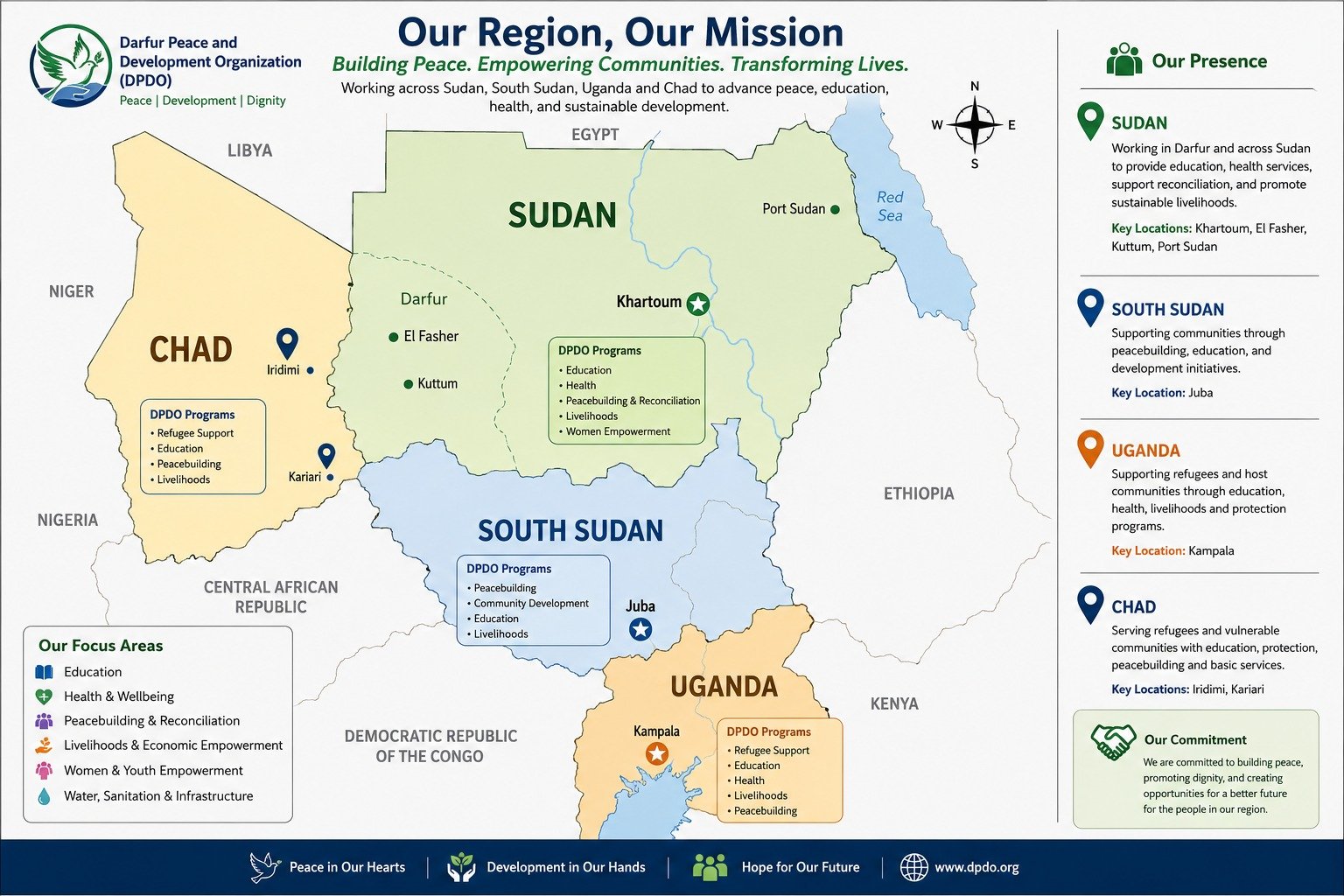
The Republic of Chad is one of Africa’s largest refugee-hosting countries, providing protection to more than one million Sudanese refugees fleeing conflict and violence. The majority of refugees are concentrated in the eastern provinces bordering Sudan, where host communities face significant challenges, including limited access to education, healthcare, safe water, and livelihood opportunities.

The continued influx of refugees has placed unprecedented pressure on already fragile public services and local infrastructure. Schools, health facilities, and community resources are operating beyond capacity, highlighting the urgent need for integrated humanitarian and development interventions that benefit both refugees and host communities.

DPDO adopts the Humanitarian–Development–Peace (HDP) Nexus approach, combining emergency response with long-term investments that strengthen resilience, promote social cohesion, and support sustainable development.

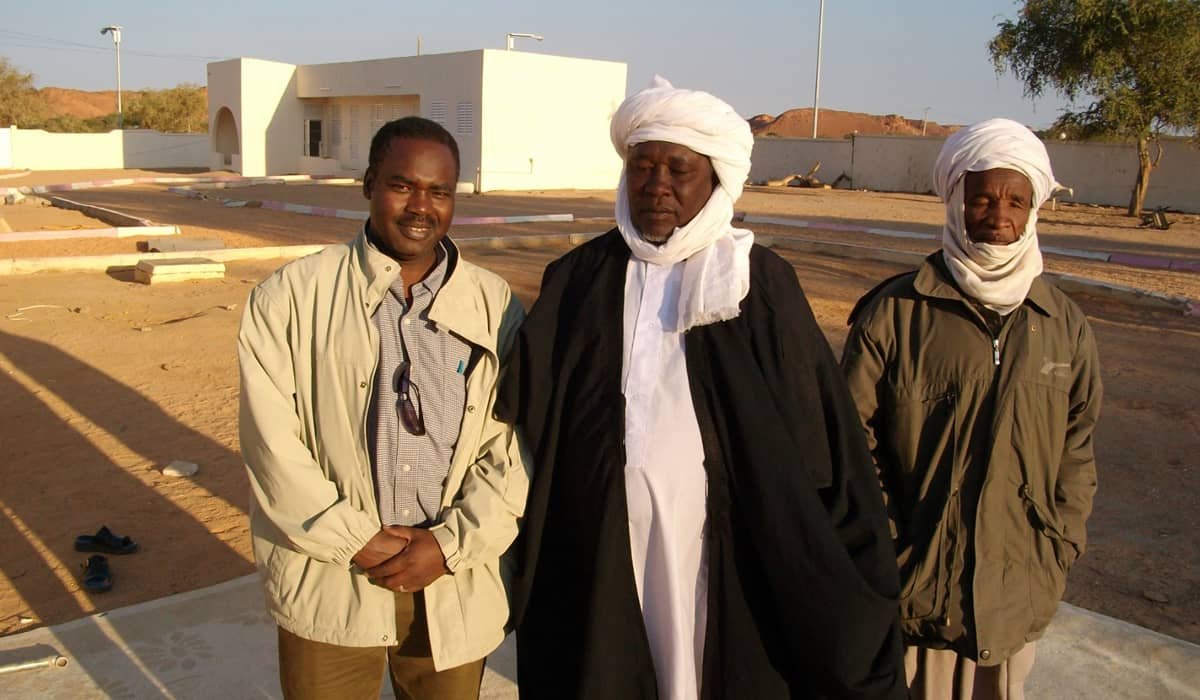
Dr. Suliman Giddo with Sultan Timan Deby Itno Sultan of Umgarass in Chad

DPDO in Chad

The Darfur Peace and Development Organization (DPDO) has worked alongside refugee and host communities in eastern Chad for several years, delivering integrated programmes in education, peacebuilding, and community resilience.

Working in close partnership with government authorities, local organizations, community leaders, humanitarian agencies, and development partners, DPDO implements community-driven programmes that improve access to quality services while strengthening peaceful coexistence between refugees and host communities.

DPDO worked in two programs:

  • Education
  • Peacebuilding and workshops

Geographic Coverage

DPDO’s programmes focus on refugee-hosting and border communities in eastern Chad, including:

  • Um Garas – Supporting host-community schools serving refugee and local children.
  • Kriyari Refugee Camp – Expanding access to quality primary education.
  • Iriba Refugee Camp – Supporting inclusive education and child protection.
  • Tina Border Area (Chad–Sudan) – Delivering cross-border education and humanitarian interventions for conflict-affected communities.

DPDO also coordinates with local authorities and humanitarian partners to respond to emerging needs in additional refugee-hosting areas across eastern Chad.
1- Education Program

Transforming Lives Through Quality Education

The Darfur Peace and Development Organization (DPDO) believes that education is one of the most powerful investments in peace, resilience, and sustainable development. Since its establishment in 2002, DPDO has worked to ensure that children and young people affected by conflict, displacement, and poverty have access to safe, inclusive, and quality education.

As part of our commitment to improving educational opportunities for vulnerable populations, DPDO supports 8 primary schools serving both Sudanese refugees and host communities in the Um Garas area of eastern Chad, including Kriyari and Iriba refugee camps. These schools provide critical learning opportunities for children whose education has been disrupted by conflict and forced displacement.

Recognizing that refugee crises affect both displaced families and the communities that generously host them, DPDO adopts an inclusive approach that strengthens educational services for refugees and host communities alike, promoting social cohesion and shared development.

DPDO also supports education initiatives in the Tina border region, working across both Sudan and Chad to ensure continuity of education for children living in fragile and conflict-affected communities. Through close collaboration with government authorities, local communities, humanitarian organizations, and education partners, we help build stronger and more resilient education systems where they are needed most.

Our Education Support Includes

Impact at a Glance

Our education programme continues to create lasting impact for children, families, and communities.

Key Achievements

Creating Lasting Change

Education is more than classroom learning—it is the foundation for hope, opportunity, and long-term stability. Every child who returns to school gains the knowledge, confidence, and skills needed to build a better future for themselves, their families, and their communities.

By investing in education today, DPDO is helping to reduce poverty, prevent child labor and early marriage, strengthen community resilience, and contribute to lasting peace in one of the world’s most fragile regions.

Together with our donors, partners, and local communities, we remain committed to ensuring that every child has the opportunity to learn, succeed, and thrive—regardless of where they were born or the challenges they have faced.

Impact at a Glance

16 Years

Supporting conflict-affected communities across Sudan and Chad.

8 Primary Schools

Supported in refugee-hosting and border communities.

Thousands of Children

Provided with access to safe and quality education.

Refugee and Host Communities

Inclusive programming benefiting both displaced families and local populations.

Cross-Border Operations

Working in communities along the Sudan–Chad border.

Community-Based Approach

Programs designed and implemented with local communities, education authorities, and humanitarian partners.

2- Peacebuilding and Conflict Transformation Programme

Supporting Unity, Dialogue, and Peace in Darfur

Building a Common Platform for Peace

Since the outbreak of conflict in Darfur in 2003, the fragmentation of armed movements and the absence of a unified negotiation platform represented one of the major obstacles to achieving sustainable peace. The existence of multiple rebel factions with different political visions, leadership structures, and priorities made collective engagement and meaningful peace negotiations increasingly difficult.

Recognizing that lasting peace required unity, dialogue, and a shared vision among Darfur stakeholders, the Darfur Peace and Development Organization (DPDO) initiated a comprehensive peacebuilding initiative aimed at reducing divisions among Darfur armed movements and creating a foundation for coordinated engagement in future peace negotiations.

DPDO’s approach was based on the belief that peace cannot be achieved only through political agreements; it requires trust, communication, reconciliation, and the development of strong relationships among actors who have been divided by years of conflict.

Creating Space for Dialogue and Trust Building

DPDO facilitated a series of intensive dialogue and capacity-building initiatives designed to bring together representatives from different Darfur rebel movements and create an environment conducive to trust, cooperation, and collective action.

One of the most significant milestones was the organization of a 45-day Trust-Building and Leadership Capacity Development Workshop, which brought together representatives from 18 Darfur armed movements and political factions.

The workshop provided a neutral platform where participants could:

Through facilitated discussions, training sessions, and confidence-building activities, DPDO helped create an atmosphere where former rivals could communicate openly and work toward a common vision for peace.

Strategic Partnership and Local Engagement

The initiative was implemented in coordination with local authorities, community leaders, and relevant stakeholders to ensure legitimacy, inclusiveness, and local ownership.
DPDO’s role was to provide a neutral humanitarian and peacebuilding platform where participants could engage without political pressure, allowing dialogue and reconciliation efforts to progress.
The organization applied its experience in conflict transformation, mediation, community engagement, and peacebuilding to support participants in developing the relationships and capacities necessary for constructive participation in future peace efforts.

From Trust Building to the Doha Peace Process

The success of the initial 45-day workshop demonstrated the importance of continued engagement and dialogue among Darfur movements. At the conclusion of the programme, all participating representatives agreed on the importance of continuing the dialogue process through additional sessions aimed at strengthening unity and coordination.

The subsequent meeting held in Itay Seina became an important continuation of this peacebuilding journey, further strengthening cooperation among Darfur factions and contributing to the development of a more unified approach toward negotiations.

These collective efforts contributed to creating conditions that supported the broader Darfur peace process, including the negotiations that culminated in the Doha Peace Agreement, which represented a significant milestone in efforts to achieve peace and stability in Darfur.

Impact and Legacy

DPDO’s peacebuilding initiative created several important outcomes:

Strengthened Unity Among Darfur Movements

The programme helped reduce divisions among fragmented armed groups and encouraged greater coordination around shared peace objectives.

Created a Foundation for Negotiation

By bringing different factions together, DPDO contributed to the development of a more coherent platform for engagement in peace talks.

Built Leadership Capacity

Participants gained knowledge and skills in negotiation, conflict resolution, dialogue, and peacebuilding.

Promoted Trust and Reconciliation

The initiative demonstrated that sustained dialogue can transform relationships between conflicting parties and create opportunities for peaceful solutions.

Supported the Path Toward Peace

The process contributed to broader efforts that supported the eventual Doha Peace Agreement and strengthened international engagement toward resolving the Darfur conflict.

DPDO’s Commitment to Peace

The Darfur peace experience demonstrated that sustainable peace requires more than political agreements—it requires trust among stakeholders, inclusive dialogue, strong leadership, and community ownership.

DPDO remains committed to supporting peacebuilding initiatives across Sudan and Africa by promoting dialogue, reconciliation, conflict prevention, and peaceful solutions to complex conflicts.

Through partnership, neutrality, and dedication to human dignity, DPDO continues to work toward a future where communities affected by conflict can move from division and violence toward cooperation, stability, and lasting peace.

Our Strategic Priorities

DPD’s work in Chad is guided by five strategic priorities:

Partnerships

DPDO works in collaboration with:

Together, these partnerships enable DPDO to deliver accountable, community-centered, and sustainable programmes that improve the lives of refugees and host communities.

Our Vision for Chad

DPDO envisions a future where every child has access to quality education, and primary health care,  every family can live with dignity and security, and refugee and host communities thrive together in peace and resilience.

Through innovation, partnership, accountability, and local leadership, we remain committed to transforming humanitarian challenges into opportunities for sustainable development and lasting peace.

Dr. Sabah Al-Shabebi (UAE)

Board Member

Dr. Sabah holds a Bachelor of Medicine and Surgery from Sanaa University, Republic of Yemen. She is a certified obstetrician and gynecologist by the Jordanian Board of Obstetrics and Gynecology, and the Arab Board of Obstetrics and Gynecology. Prior to her current role as Deputy Director of the Modern Medicine Center, she served as an Obstetrics and Gynecology Specialist at the Dubai Health Authority, Director General of Sharjah City Medical Center, and Medical Director of the National Center of Modern Medicine. Dr. Sabah is a member of the Emirates Medical Association and currently serves as the Chairman of the Supreme Council of Consulting and Training Group (Five and One Training Centre) within Mohammed bin Rashid’s projects – Government of Dubai. Additionally, she is the Chairman of KENZEL FACILITY MANAGEMENT within Mohammed bin Rashid’s projects – Government of Dubai. Dr. Sabah’s extensive experience and leadership in the medical industry make her a valuable asset to our DPDO organization.

Shiri Kalai

Assistant of programs

Shiri Kalai is an MSPH student in the Social and Behavioral Interventions program for International Health at the Bloomberg School of Public Health. She is completing her practicum with HEAL. In addition to joining the HEAL team, Shiri works with Key Point Health Services helping children in Baltimore City and County with their mental health symptom and behavioral management. She is anative Spanish speaker and is excited to work with Darfur Peace and Development to provide humanitarian relief to those in need!

Maisoon Ateem

Deputy Director of Health Program

Maisoon Ateem, Deputy Director of Health Program Maisoon has over 10 years of experience working in the field of public and global health. She graduated from Johns Hopkins Master of Applied Science (MAS) in Global Health Planning and Management and studied as an undergraduate in Sudan. Upon her graduation with a BA in Medical Science from Sudan University of Science and Technology, she worked for the United Nations–African Union Mission in Darfur (UNAMID) among other UN agencies and nongovernmental organizations (NGOs) in Sudan and the USA. Her focus was conflict-affected populations in particular women and Internally Displaced People (IDPs) with special attention on survivors of sexual violence and people living with HIV/AIDs. She has been involved in all stages of emergency and reproductive health design and implementation and dedicates her career to bridging access to quality healthcare at the community and individual levels. A strong advocate for education, Maisoon works to integrate various aspects of her practical and personal experience into helping to make the world a better place for all.

Susan Burgess-lent

Vice President & Director of Operation

Ms. Burgess-Lent began her career in humanitarian relief and development in 1994 and has worked extensively in East Africa. She is the former Program Director of Darfur Peace and Development Organization (DPDO), responsible for the funding and operation of Kassab Women’s Center, the model on which WCI’s work is based. She previously served as a consultant to the African Immigrant and Refugee Foundation (AIF), InterAction, CEPDA, and on staff at the American Red Cross International Services. In 2019, she published the non-fiction book Trouble Ahead: Dangerous Missions with Desperate People, about her work in Africa. She has presented speeches for many organizations about the impact of war and poverty on women, and solutions that can be implemented for their benefit.

Dr. Sabah Al-Shabebi

Board Member

Dr. Sabah holds a Bachelor of Medicine and Surgery from Sanaa University, Republic of Yemen. She is a certified obstetrician and gynecologist by the Jordanian Board of Obstetrics and Gynecology, and the Arab Board of Obstetrics and Gynecology. Prior to her current role as Deputy Director of the Modern Medicine Center, she served as an Obstetrics and Gynecology Specialist at the Dubai Health Authority, Director General of Sharjah City Medical Center, and Medical Director of the National Center of Modern Medicine. Dr. Sabah is a member of the Emirates Medical Association and currently serves as the Chairman of the Supreme Council of Consulting and Training Group (Five and One Training Centre) within Mohammed bin Rashid’s projects – Government of Dubai. Additionally, she is the Chairman of KENZEL FACILITY MANAGEMENT within Mohammed bin Rashid’s projects – Government of Dubai. Dr. Sabah’s extensive experience and leadership in the medical industry make her a valuable asset to our DPDO organization.

Cindy Castano

Treasure - Board of Directors

Cindy Castano is the president of Alpha Management Group, Inc. (AMG), which is an organization that focuses on business development, management and documentary film production. She has 30 years’ experience in client relations, sales and business development and has been a licensed investment advisor. Prior to founding AMG, amongst several positions in sales/marketing, Cindy has worked in the investment/financial markets of USA, London, England and Geneva, Switzerland, specializing in high value, multi-million dollar accounts. Documentary film production is one of the primary elements of AMG’s business and is structured under AMG Media, a division of Alpha Management Group. Ms. Castano is currently acting as writer, editor, and producer for a documentary entitled “MY SLAVE, MY INFIDEL,” which is in production. The film focuses on the slave trade in Southern Sudan and has expanded filming as events continue to unfold Darfur, Sudan. AMG also has a documentary in negotiations which will focus specifically on the genocidal conflict in Darfur.

Dr. Suliman A. Giddo

President ,Board Member

Dr. Suliman A. Giddo is a highly accomplished expert with over twenty years of intensive and comprehensive experience in leadership, international relations, strategic planning, conflict resolution and disaster and emergency management; having successfully created strategic plans for governments and private institutions in the Middle East, Africa, and the United States. He is also a renowned academic and researcher at George Mason University, with a proven track record of excellence in teaching at American universities including the School of Business at Indiana, and serving in senior positions for several international organizations, including the prestigious American Red Cross, Management System International and Qatar Foundation. Dr. Giddo’s extensive experience includes serving as a consultant for the UA-UN joint mission. He also served as a board member for several institutions and organizations.

Dr.Giddo is the dynamic founder and president of Sub-Saharan University, which offers eight programs in diverse fields such as medicine and general surgery, nursing, medical lab, business administration, information technology, computer network, and banking and finance, with over 2000 enrolled students mostly from Internal Displaced Persons.

Dr. Giddo earned his Ph.D. in Peace Studies and Conflict Analysis and Resolution from George Mason University in the United States, where he demonstrated exceptional academic prowess. He also completed postgraduate studies in Humanitarian Assistance from Fordham University in New York, a Master of Science in Business Administration/Accounting from Strayer University in Virginia, where he was an outstanding alumni (2008), and post-graduate studies in Strategic Planning and Project Management from the prestigious Stanford University in California. Dr. Giddo obtained his B.Sc. in Business Administration from the University of Khartoum.