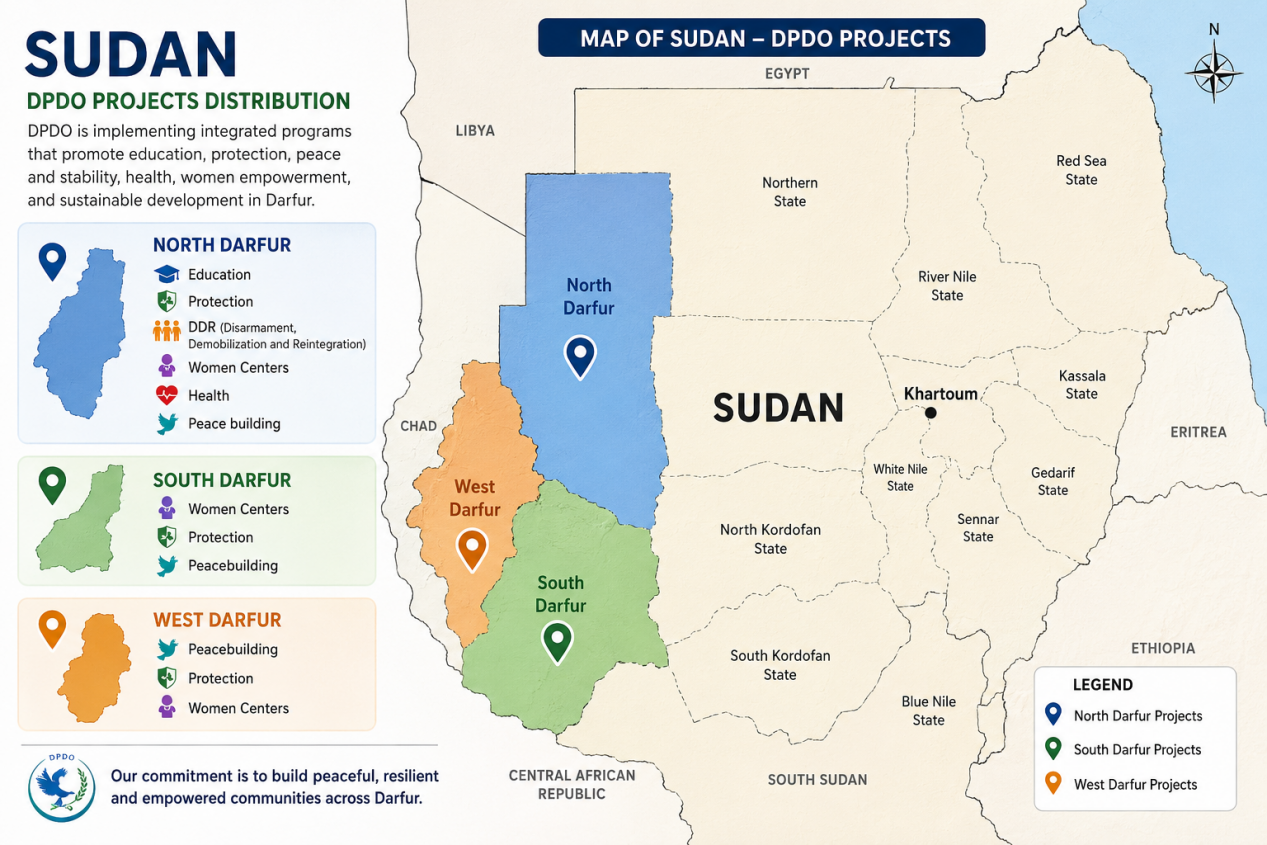

Sudan has an estimated total population of about 51 million people. The ongoing conflict has created the world’s largest displacement crisis, resulting in approximately 9.5 million Internally Displaced Persons (IDPs) within the country, and about 90,000 refugees seeking safety inside Sudan’s borders.
Since its establishment in 2003, the Darfur Peace and Development Organization (DPDO) has remained one of the leading national civil society organizations dedicated to promoting peace, humanitarian assistance, education, and sustainable development across Sudan. With headquarters in Washington, D.C., and country offices in Khartoum, Nyala (South Darfur), El Fasher (North Darfur), and Kutum (North Darfur), DPDO has implemented integrated programs that have transformed the lives of hundreds of thousands of vulnerable people affected by conflict, displacement, and poverty.
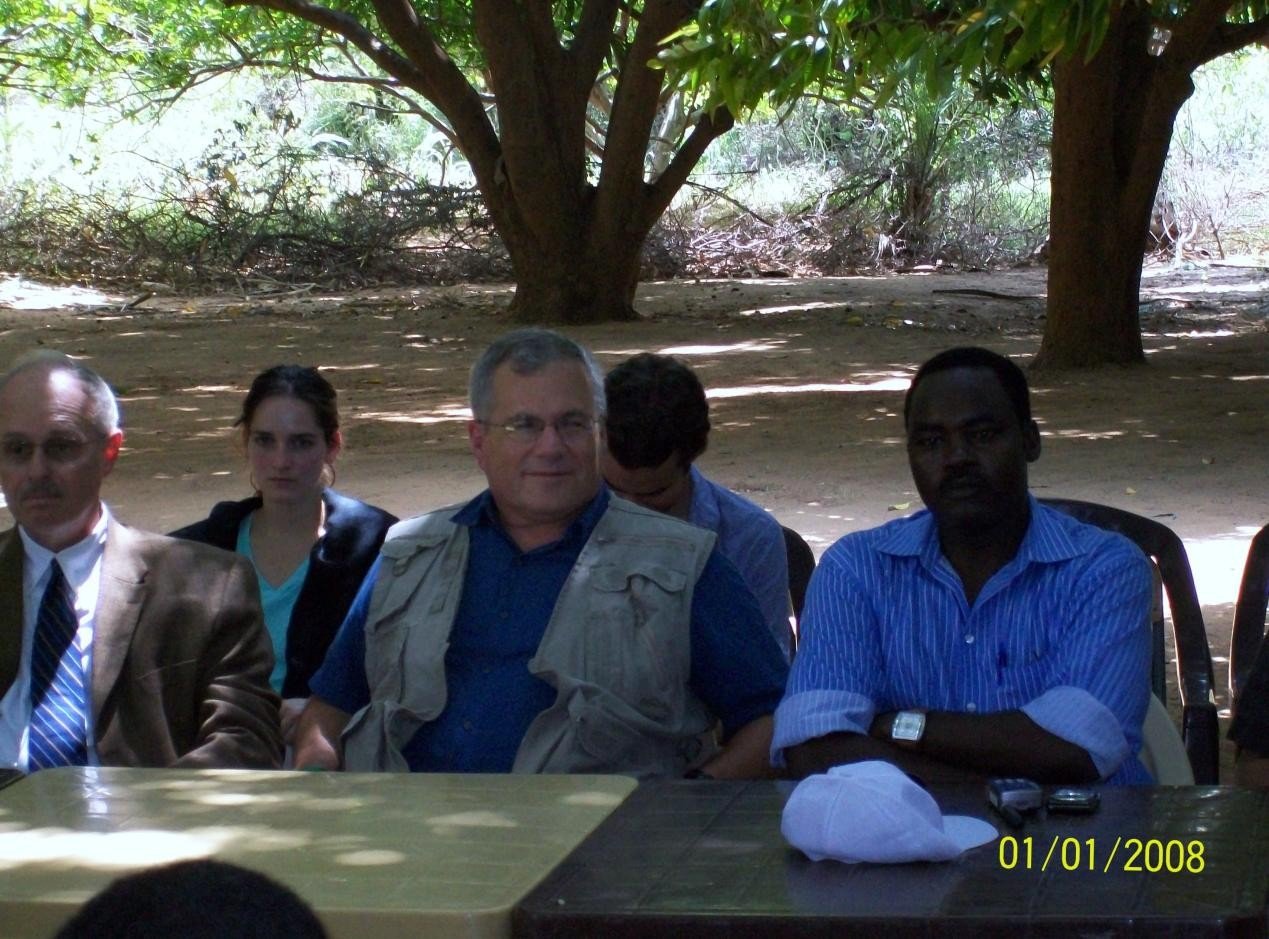
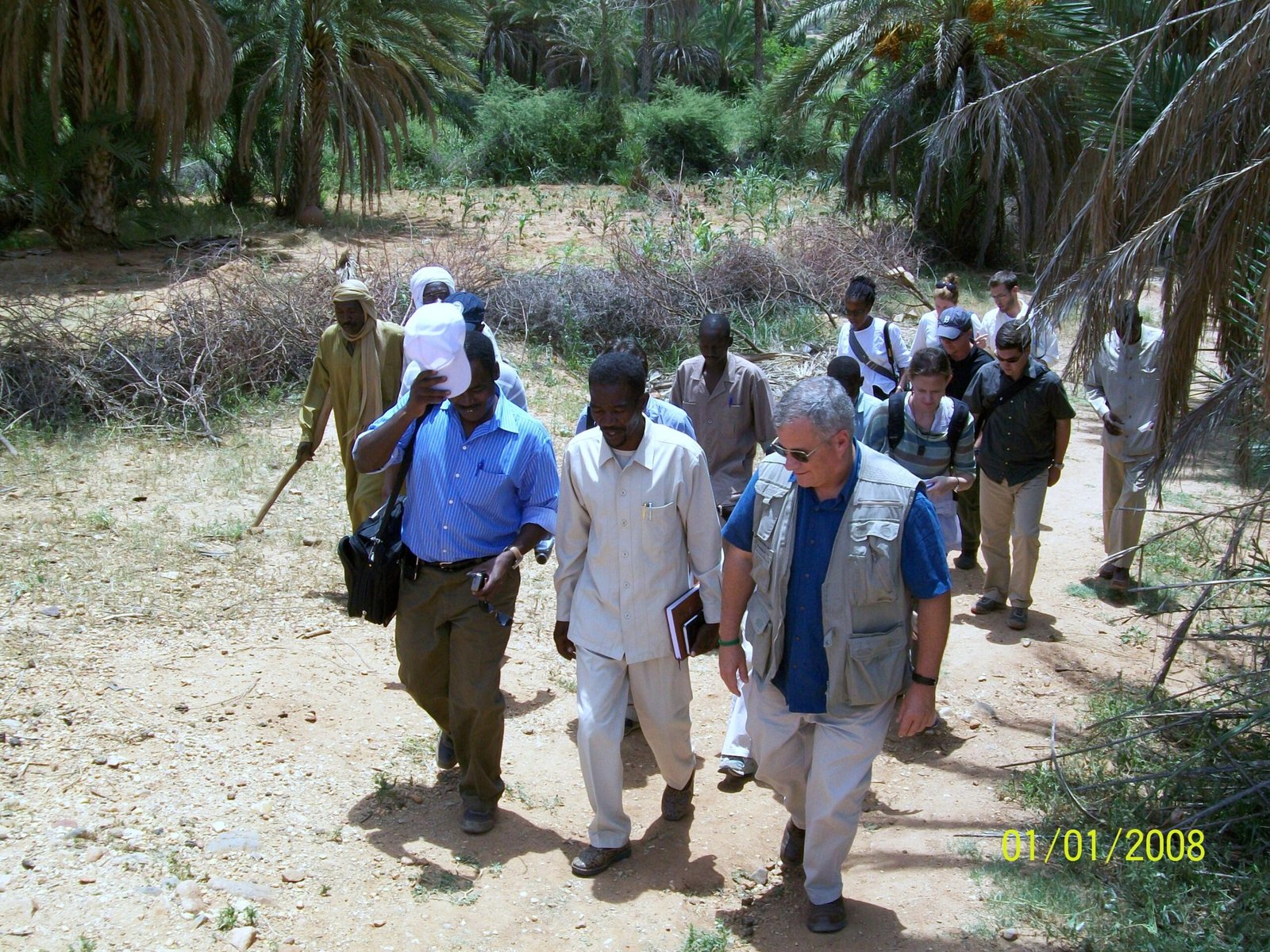
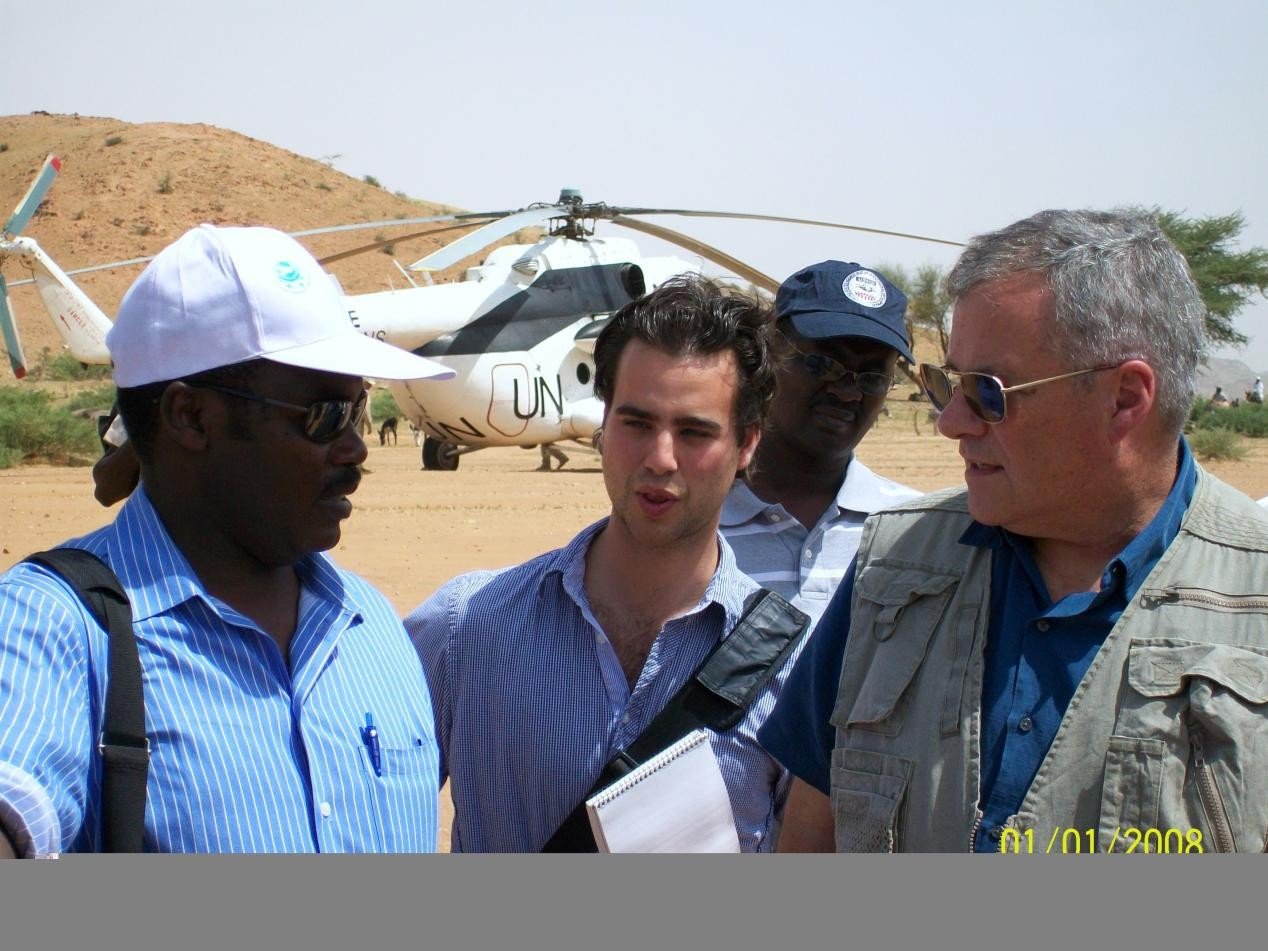
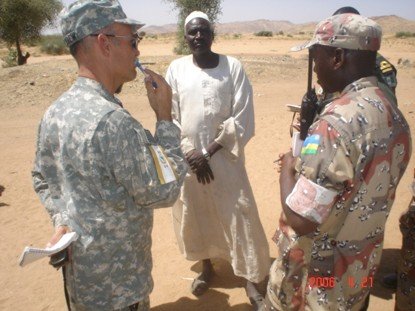
One of DPDO’s most significant contributions to the Darfur peace process was facilitating a high-level meeting between the United States Government’s Special Envoy for Sudan and leaders of the Darfur rebel movements in Ain Siro, North Darfur. The meeting served as a critical confidence-building initiative and laid the foundation for the unification of the major rebel factions under a single negotiating delegation. This unified representation enabled the movements to engage more effectively in peace negotiations with the Government of Sudan, ultimately contributing to the successful conclusion of the Doha Document for Peace in Darfur (DDPD). DPDO’s facilitation demonstrated its commitment to inclusive dialogue, mediation, and the peaceful resolution of conflict.
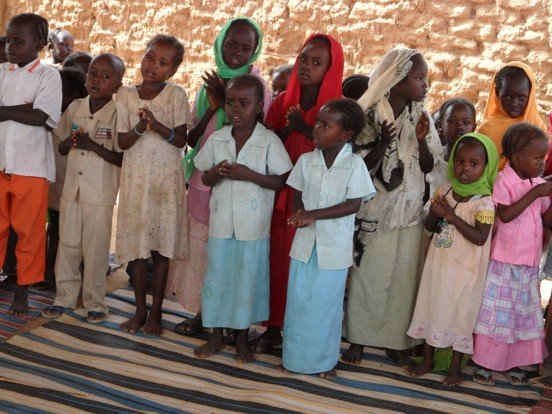
Education has been the cornerstone of DPDO’s work in Sudan. Over the past two decades, the organization has supported more than 88,400 primary school students by providing access to education, learning materials, and school support programs in conflict-affected communities. DPDO has also sponsored orphaned students to complete their secondary education and provided scholarships for deserving students pursuing higher education, helping to build the next generation of leaders and professionals in Sudan.
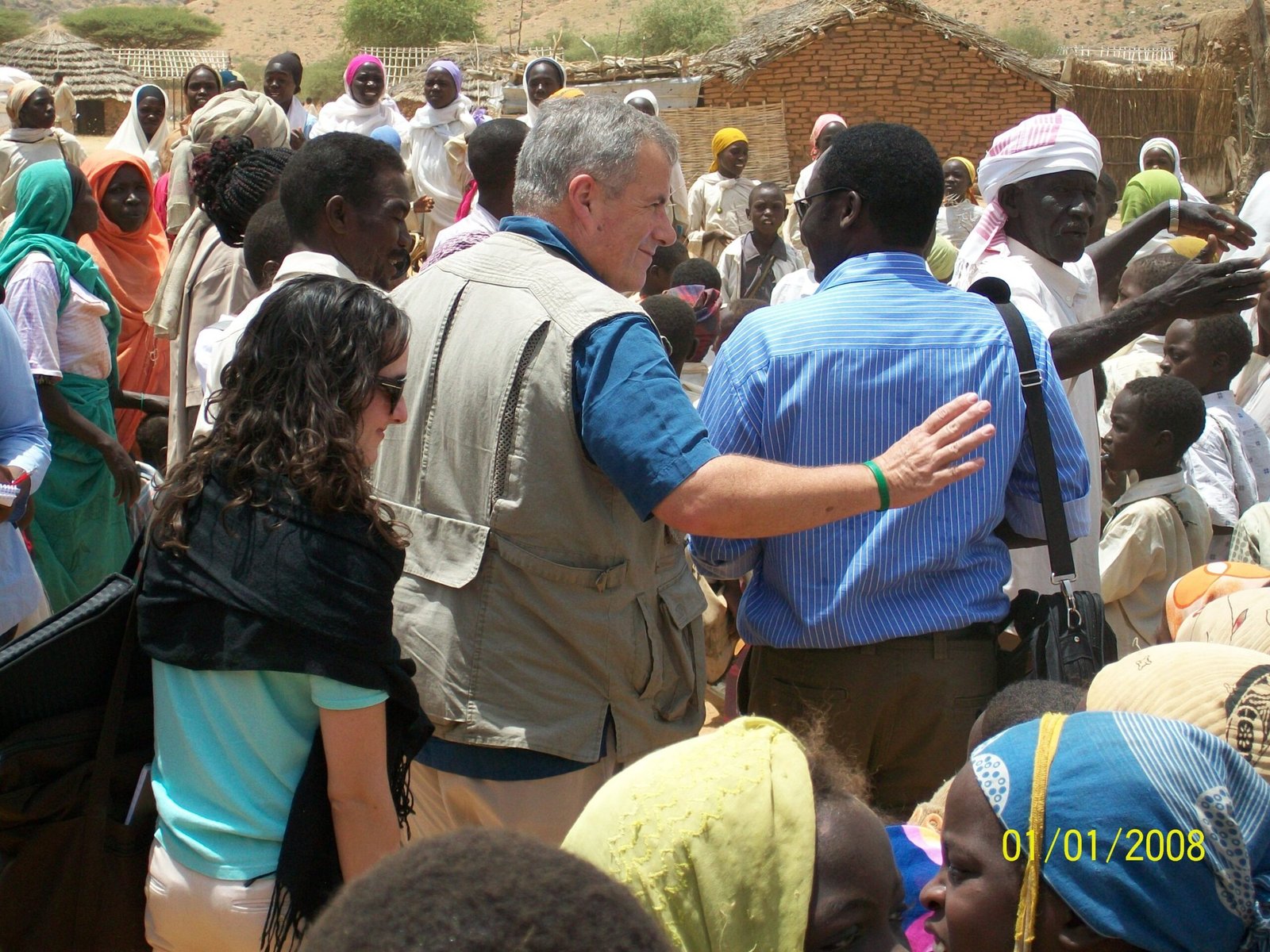
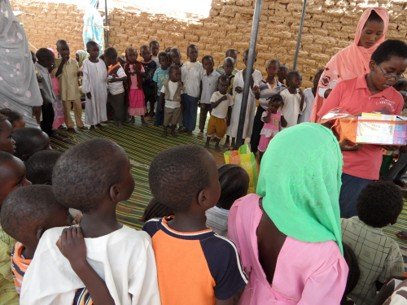
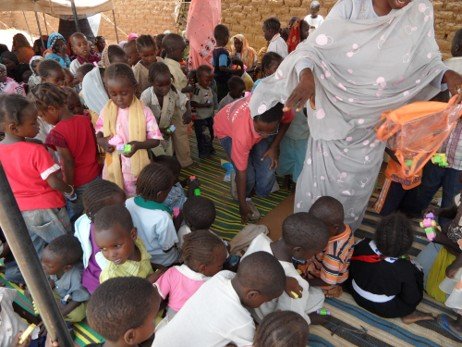
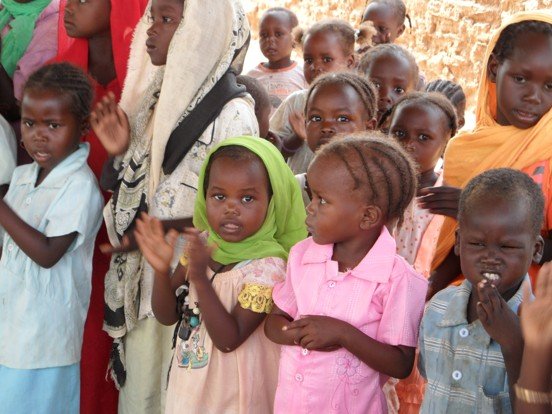
The children’s education section in the Kassab Internally Displaced Persons (IDP) camp—located in the Kutum locality of North Darfur, Sudan—operates under severely constrained and deteriorating conditions. Despite the community’s profound value for schooling, the educational infrastructure inside the camp faces extreme resource shortages and structural deficits.
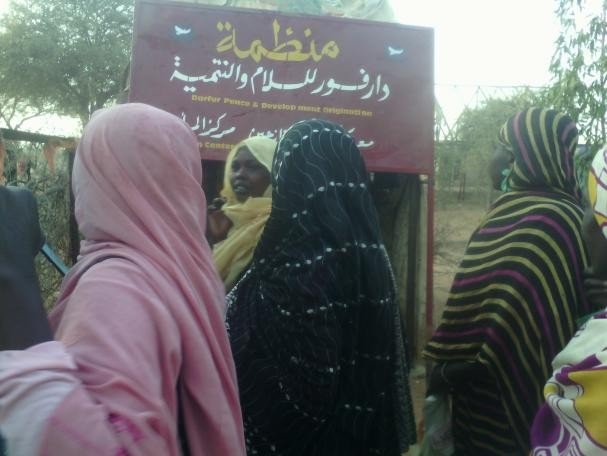
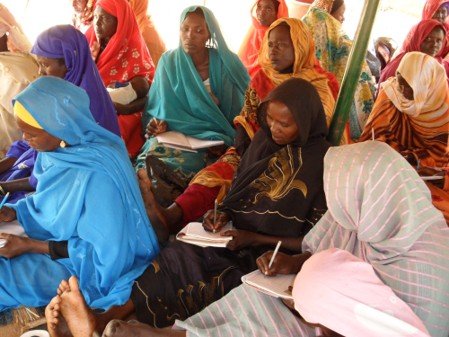
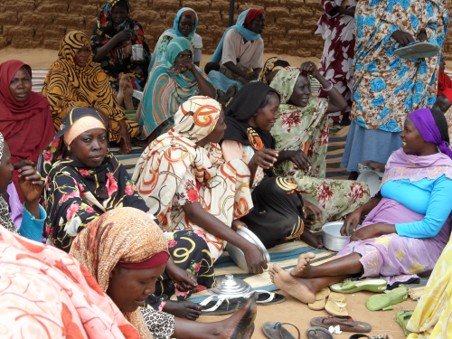
DPDO implemented an Adult Education Program in Kassab Internally Displaced Persons (IDP) Camp with the goal of improving literacy levels and empowering women through access to quality education. The initiative was designed to address the educational needs of women who had limited or no opportunity to attend formal schooling due to displacement, conflict, and socio-economic challenges.
The program provided structured literacy classes focusing on basic reading, writing, and numeracy skills in a supportive and inclusive learning environment. In addition to foundational education, participants developed practical skills that enabled them to better manage everyday tasks, such as reading health information, keeping simple financial records, assisting their children with schoolwork, and communicating more effectively.
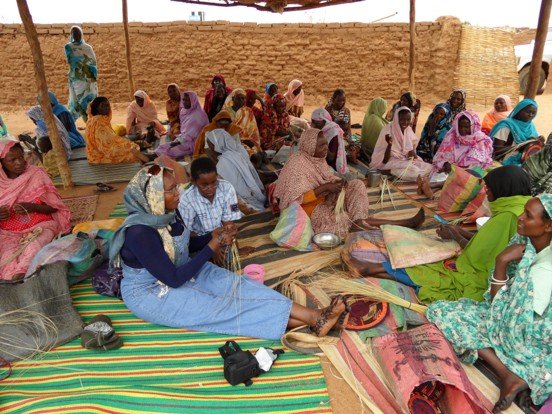
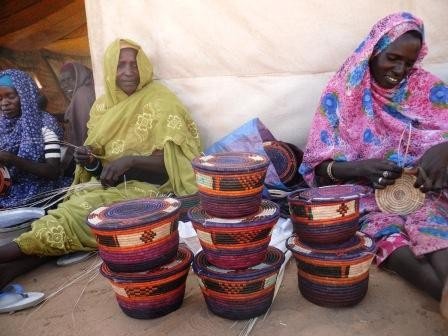
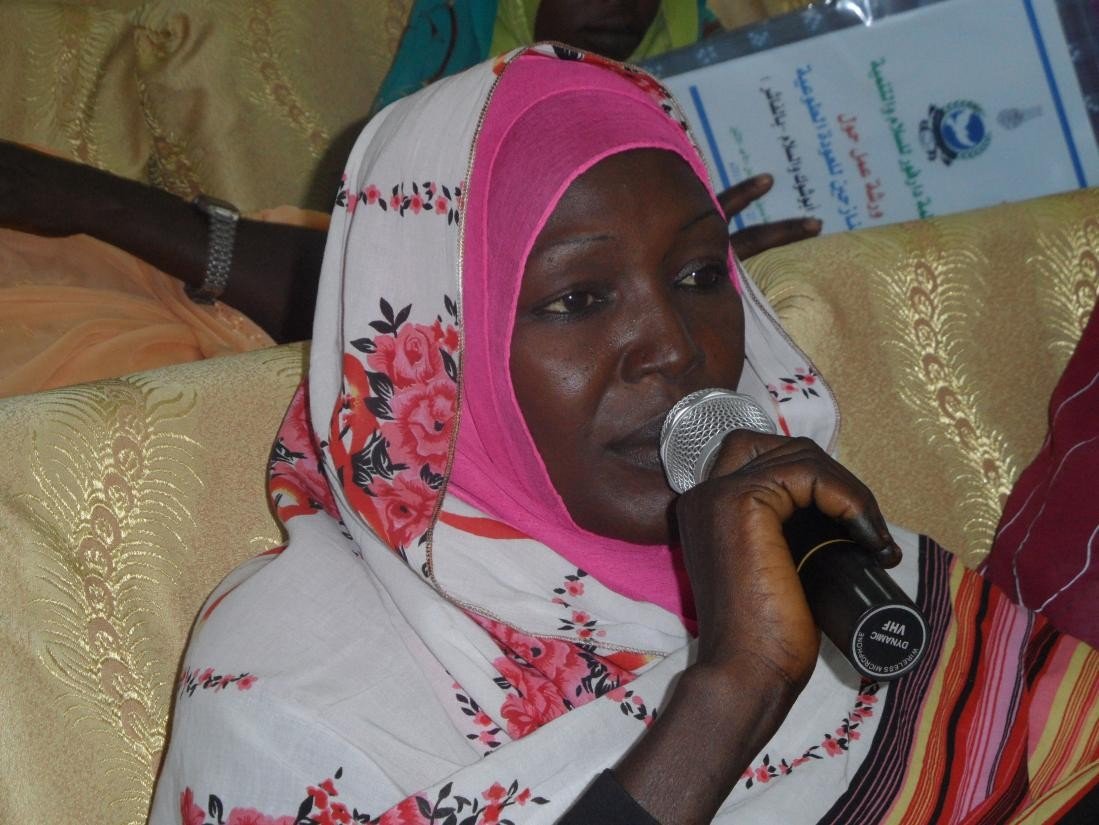
Recognizing the critical role that women play in rebuilding families and strengthening communities affected by conflict and displacement, DPDO established Women’s Development Centers in Abu Shouk IDP Camp (El Fasher), Kassab IDP Camp (Kutum), Kalma IDP Camp (South Darfur), and El Haj Yousif (Khartoum). These centers were created as safe and inclusive spaces where women could access education, skills development, psychosocial support, and opportunities for social and economic empowerment. The Women’s Development Centers offered a range of capacity-building activities, including literacy and numeracy classes, vocational and livelihood skills training, leadership development, health and hygiene awareness, and information on women’s rights and protection. The centers also facilitated community dialogue, peer support groups, and awareness campaigns on issues such as gender-based violence, child protection, and the importance of girls’ education.
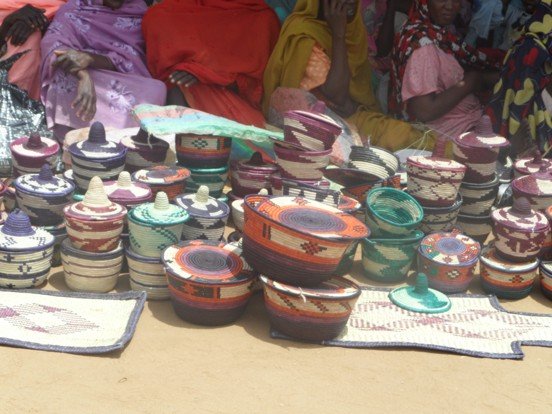
These centers have benefited more than 8,000 women through vocational skills training, handicraft production, literacy education, trauma healing, reproductive health awareness, and economic empowerment initiatives. DPDO supplied women with raw materials for handicraft production and created international market opportunities, exporting their products to the United States, enabling thousands of women to generate sustainable household income while restoring dignity and self-reliance.
The Darfur Peace and Development Organization (DPDO) has done incredible work through its specialised Women’s Centers established in displacement camps like Kassab Camp in North Darfur, as well as Abu Shouk and Kalma camps..provide a safe, structured space to process and overcome traumatic experiences
By providing structured trauma healing sessions and employing qualified healthcare professionals, these centers have served as critical lifelines for survivors of sexual violence.
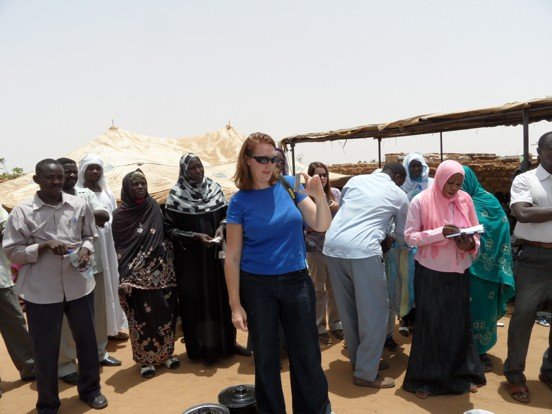
DPDO also implemented innovative environmental protection initiatives through its Solar Cooker Project, designed to reduce the risks faced by women collecting firewood in conflict areas. Women received practical training on manufacturing and using locally produced solar cookers, significantly reducing exposure to violence while promoting environmentally friendly cooking technologies. The project gained national and international recognition, including hosting a demonstration where food prepared using the solar cookers was served to the United States Special Envoy for Sudan, showcasing the project’s effectiveness and innovation.
Improving community health has been another major priority. Through its Primary Health Care Program, DPDO trained women in first aid, cardiopulmonary resuscitation (CPR), maternal and child health, and basic community health services. Qualified nurses and midwives were employed within the Women’s Centers to improve access to maternal health care, while psychosocial support and trauma healing programs helped survivors recover from the emotional consequences of conflict and displacement.
DPDO has been a strong advocate for the Rule of Law and Human Rights, implementing programs that educated women and vulnerable populations about their legal rights, protection from gender-based violence, and mechanisms for reporting physical and sexual abuse. These initiatives strengthened community awareness, promoted accountability, and improved access to justice for conflict-affected populations.
Through its Documentation and Justice Program, DPDO systematically documented human rights violations and atrocities committed throughout Darfur and other conflict-affected regions of Sudan. The program collected and verified testimonies, eyewitness accounts, and other relevant evidence related to violations of international human rights and humanitarian law, ensuring that information was recorded accurately, securely, and ethically.
The documented evidence was used to support national and international advocacy efforts, inform human rights reporting, and raise awareness of the impact of the conflict on affected populations. By contributing credible documentation to accountability processes, the program helped promote justice, encourage protection for civilians, and support the rights and dignity of victims and survivors of armed conflict. Through these efforts, DPDO reinforced its commitment to advancing accountability, combating impunity, and fostering respect for human rights in Sudan.
In partnership with the Government of Sudan’s Disarmament, Demobilization and Reintegration (DDR) Commission, DPDO designed and implemented a range of DDR training programs aimed at supporting the successful reintegration of former combatants and conflict-affected youth into civilian society. These programs sought to reduce the risk of renewed conflict by providing participants with practical skills, economic opportunities, and the support needed to rebuild their lives.
Participants received vocational skills training in market-relevant trades, entrepreneurship and small business development training, financial literacy, and livelihood assistance tailored to local economic opportunities. The program also provided guidance on income-generating activities and community reintegration, helping participants develop sustainable sources of income and strengthen their self-reliance.
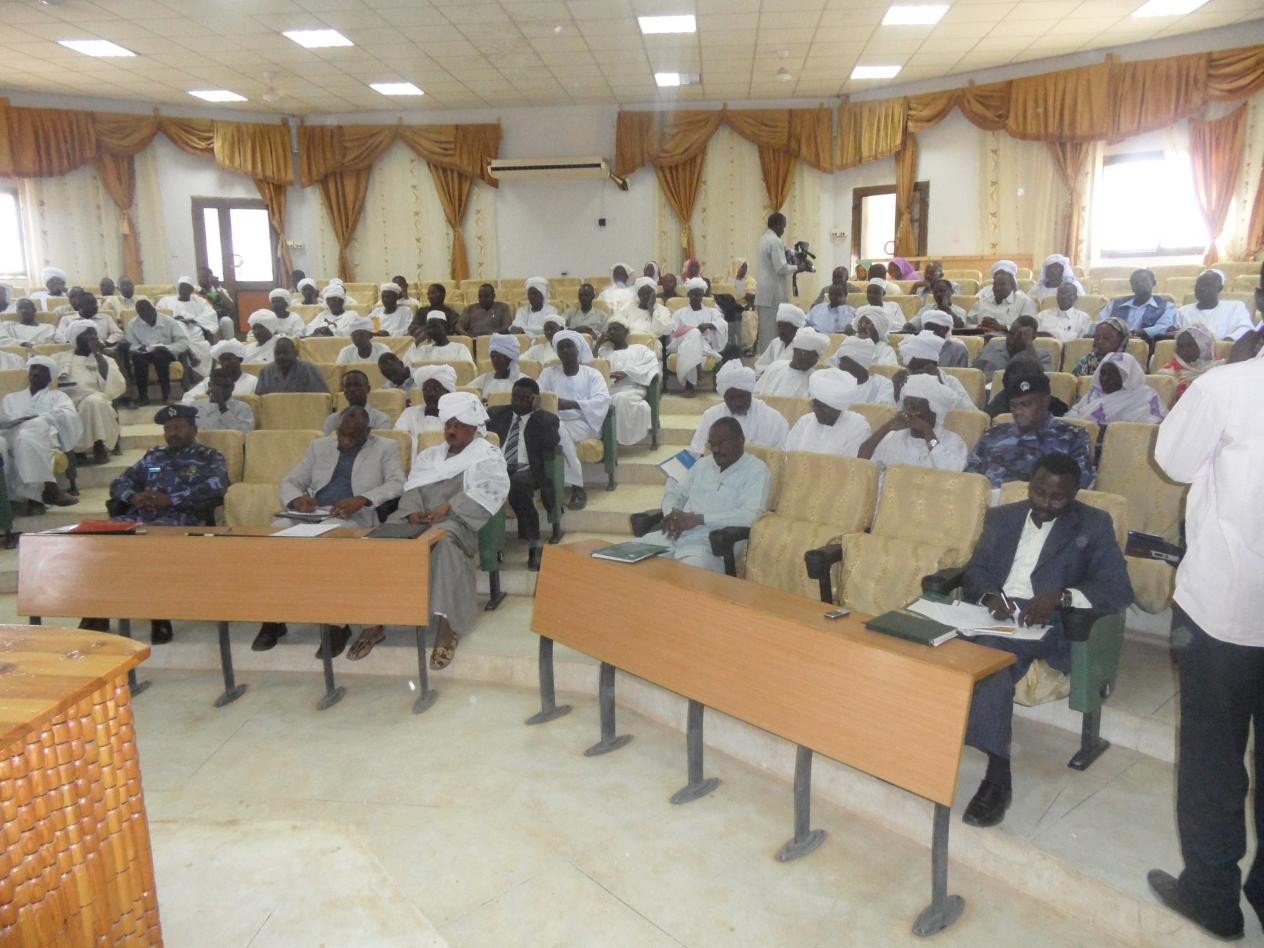
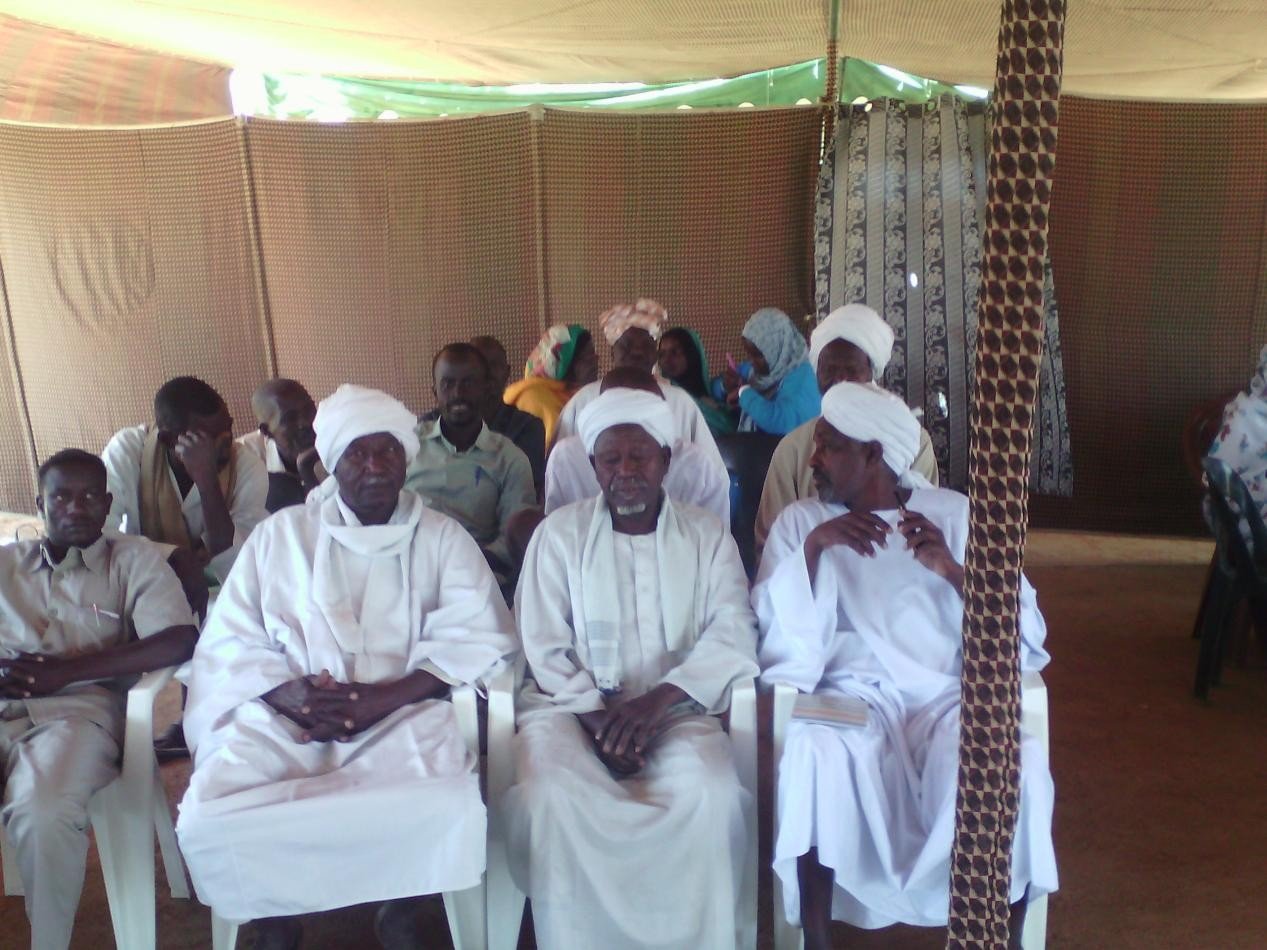
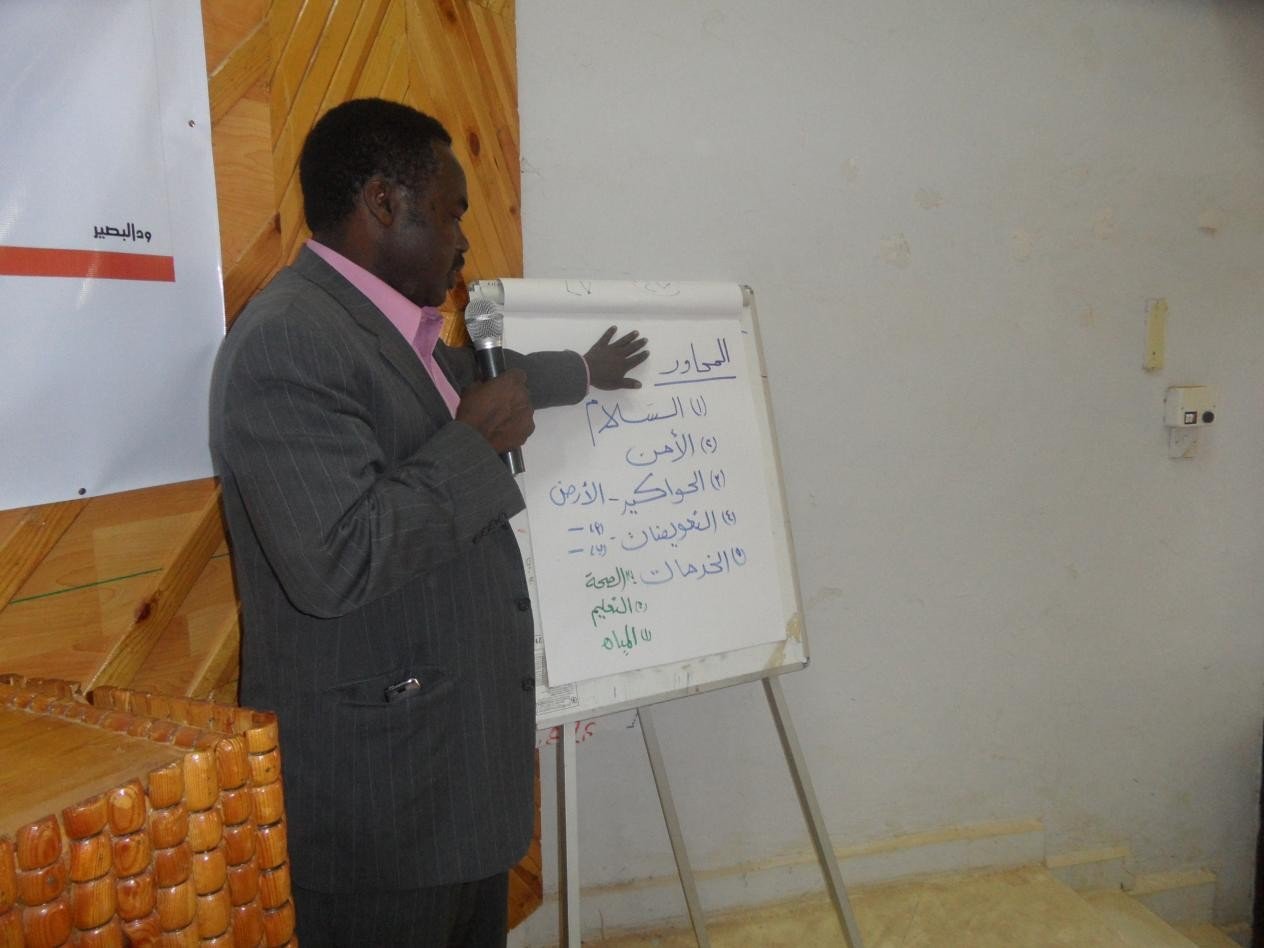
Peacebuilding has remained at the heart of DPDO’s mission. The organization facilitated more than 38 community dialogue and trust-building workshops across Darfur and neighboring eastern Chad, bringing together internally displaced persons, refugees, tribal leaders, women, youth, religious leaders, civil society organizations, and representatives from diverse ethnic communities. These forums promoted reconciliation, strengthened social cohesion, and reduced community tensions in some of the region’s most fragile environments.
The dialogue sessions provided inclusive spaces for participants to discuss shared challenges, build trust, and promote peaceful conflict resolution. By encouraging the active participation of women, youth, and community leaders, DPDO strengthened cooperation, enhanced social cohesion, and contributed to lasting peace and stability in conflict-affected communities.
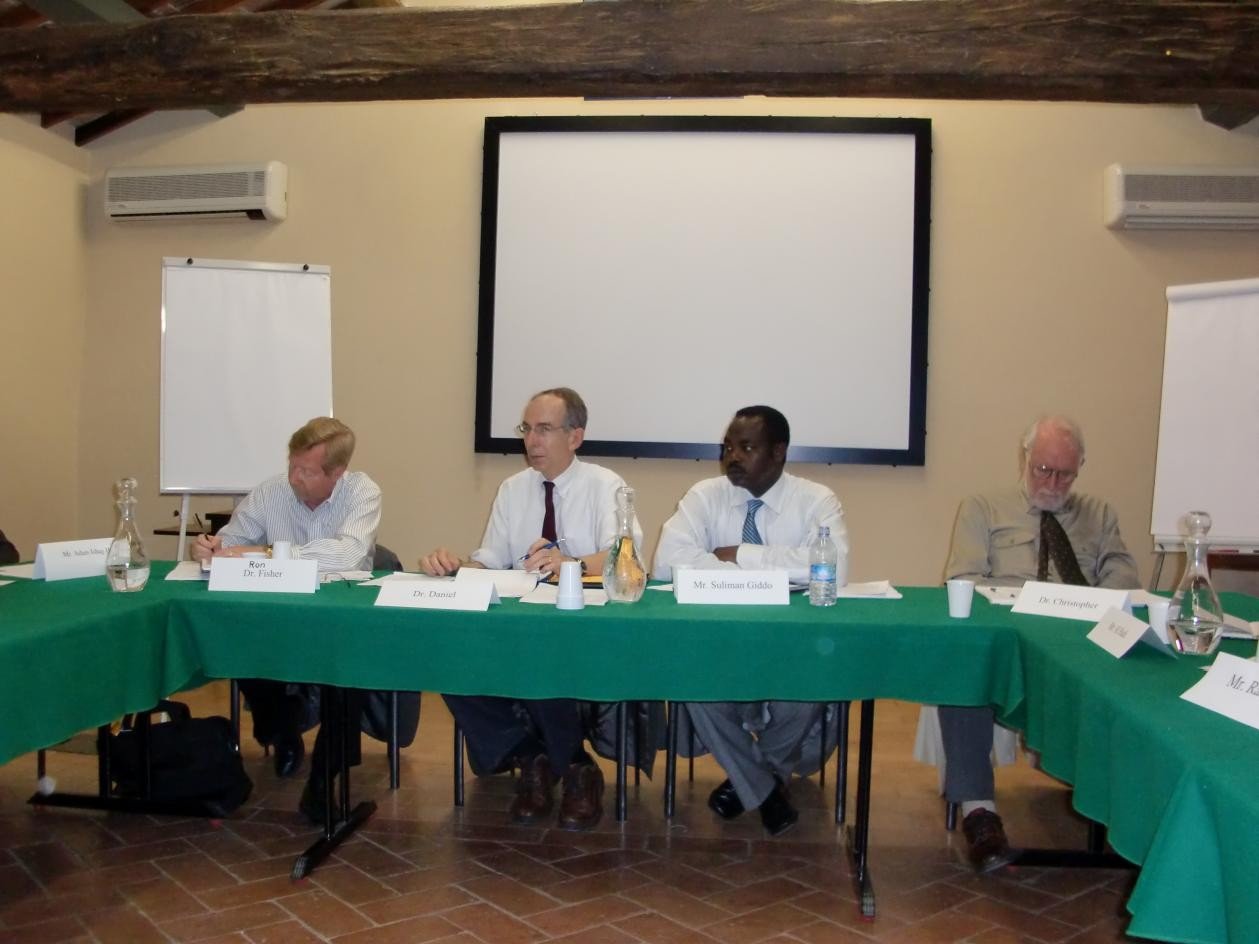
DPDO also played a historic role in advancing peace negotiations for Darfur. The organization organized and facilitated dozens of consultation meetings, mediation workshops, and confidence-building conferences in Sudan, Chad, Ethiopia, Italy, and the United States, helping bridge divisions among Darfur’s armed movements and preparing stakeholders for meaningful peace negotiations. These efforts culminated in the Doha Document for Peace in Darfur, where the President of DPDO personally drafted two of the agreement’s key protocols concerning Compensation and the Voluntary Return of Internally Displaced Persons (IDPs) and Refugees. These provisions continue to serve as important pillars of the peace process.
In addition, DPDO co-organized a landmark National Darfur Conference in Khartoum, bringing together more than 600 Darfurian leaders, community representatives, academics, government officials, civil society organizations, women, youth, and traditional leaders to discuss sustainable peace, governance, reconciliation, and post-conflict recovery.
Over more than two decades of dedicated service, DPDO has established itself as a trusted national and international partner committed to advancing peace, protecting human rights, empowering women and youth, expanding educational opportunities, strengthening community resilience, and supporting sustainable development throughout Sudan. Its integrated approach has improved the lives of hundreds of thousands of Sudanese citizens and continues to contribute to building a peaceful, inclusive, and prosperous future for the country.
Dr. Sabah holds a Bachelor of Medicine and Surgery from Sanaa University, Republic of Yemen. She is a certified obstetrician and gynecologist by the Jordanian Board of Obstetrics and Gynecology, and the Arab Board of Obstetrics and Gynecology. Prior to her current role as Deputy Director of the Modern Medicine Center, she served as an Obstetrics and Gynecology Specialist at the Dubai Health Authority, Director General of Sharjah City Medical Center, and Medical Director of the National Center of Modern Medicine. Dr. Sabah is a member of the Emirates Medical Association and currently serves as the Chairman of the Supreme Council of Consulting and Training Group (Five and One Training Centre) within Mohammed bin Rashid’s projects – Government of Dubai. Additionally, she is the Chairman of KENZEL FACILITY MANAGEMENT within Mohammed bin Rashid’s projects – Government of Dubai. Dr. Sabah’s extensive experience and leadership in the medical industry make her a valuable asset to our DPDO organization.
Dr. Sabah holds a Bachelor of Medicine and Surgery from Sanaa University, Republic of Yemen. She is a certified obstetrician and gynecologist by the Jordanian Board of Obstetrics and Gynecology, and the Arab Board of Obstetrics and Gynecology. Prior to her current role as Deputy Director of the Modern Medicine Center, she served as an Obstetrics and Gynecology Specialist at the Dubai Health Authority, Director General of Sharjah City Medical Center, and Medical Director of the National Center of Modern Medicine. Dr. Sabah is a member of the Emirates Medical Association and currently serves as the Chairman of the Supreme Council of Consulting and Training Group (Five and One Training Centre) within Mohammed bin Rashid’s projects – Government of Dubai. Additionally, she is the Chairman of KENZEL FACILITY MANAGEMENT within Mohammed bin Rashid’s projects – Government of Dubai. Dr. Sabah’s extensive experience and leadership in the medical industry make her a valuable asset to our DPDO organization.
Dr. Suliman A. Giddo is a highly accomplished expert with over twenty years of intensive and comprehensive experience in leadership, international relations, strategic planning, conflict resolution and disaster and emergency management; having successfully created strategic plans for governments and private institutions in the Middle East, Africa, and the United States. He is also a renowned academic and researcher at George Mason University, with a proven track record of excellence in teaching at American universities including the School of Business at Indiana, and serving in senior positions for several international organizations, including the prestigious American Red Cross, Management System International and Qatar Foundation. Dr. Giddo’s extensive experience includes serving as a consultant for the UA-UN joint mission. He also served as a board member for several institutions and organizations.
Dr.Giddo is the dynamic founder and president of Sub-Saharan University, which offers eight programs in diverse fields such as medicine and general surgery, nursing, medical lab, business administration, information technology, computer network, and banking and finance, with over 2000 enrolled students mostly from Internal Displaced Persons.
Dr. Giddo earned his Ph.D. in Peace Studies and Conflict Analysis and Resolution from George Mason University in the United States, where he demonstrated exceptional academic prowess. He also completed postgraduate studies in Humanitarian Assistance from Fordham University in New York, a Master of Science in Business Administration/Accounting from Strayer University in Virginia, where he was an outstanding alumni (2008), and post-graduate studies in Strategic Planning and Project Management from the prestigious Stanford University in California. Dr. Giddo obtained his B.Sc. in Business Administration from the University of Khartoum.