Solar Cooker Project
Protecting Women, Improving Lives, and Promoting Clean Energy in Conflict-Affected Darfur
The Solar Cooker Project is an innovative initiative of the Darfur Peace and Development Organization (DPDO) designed to address one of the most dangerous challenges faced by internally displaced persons (IDPs) and refugees in Darfur. For many years, women and girls have been exposed to sexual violence, physical assault, and other human rights violations while leaving camps to collect firewood for cooking. At the same time, the scarcity and high cost of firewood and charcoal have made daily cooking increasingly difficult for displaced families.
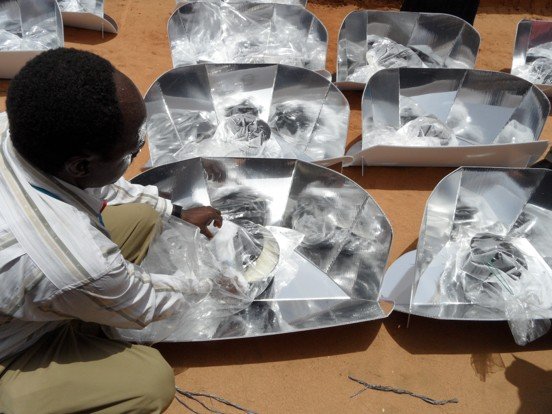
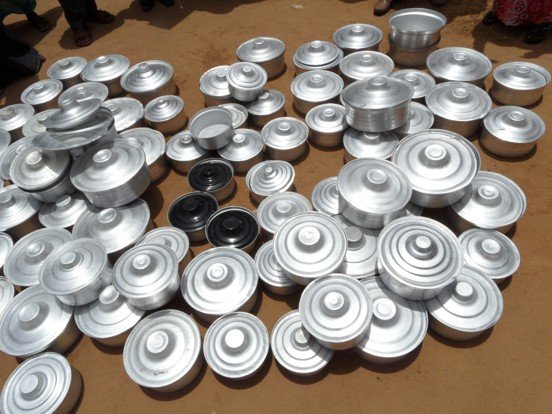
To reduce these risks, DPDO introduced a low-cost, locally produced solar cooker that uses the sun’s energy to prepare food and boil water without the need for firewood, charcoal, or fuel. The technology is simple to manufacture, easy to operate, environmentally friendly, and well suited to the climate of Darfur. To reduce these risks, DPDO introduced a low-cost, locally produced solar cooker that uses the sun’s energy to prepare food and boil water without the need for firewood, charcoal, or fuel. The technology is simple to manufacture, easy to operate, environmentally friendly, and well suited to the climate of Darfur.
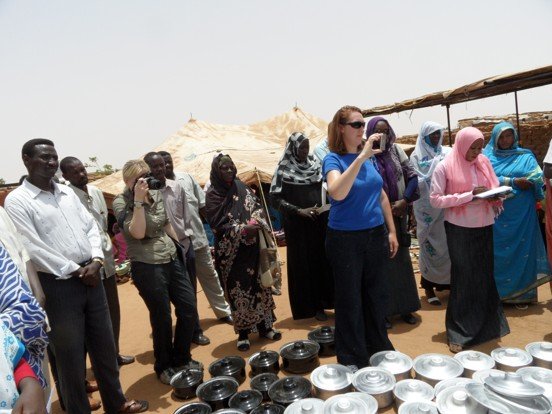
The project has been implemented in Kuttum, El Fasher, Fataborno, Nyala, and Khartoum, where local women were trained to manufacture and use the solar cookers, creating both protection and livelihood opportunities.
Geographic Areas
The Solar Cooker Project has been implemented in conflict-affected communities and displacement settings across Sudan, including:
- Kuttum, North Darfur
- El Fasher, North Darfur
- Fataborno, North Darfur
- Nyala, South Darfur
- Khartoum State (for displaced communities)
- Iridimi, refugee camps in Chad
- Touloum Refugee cams in Chad
The project primarily serves internally displaced persons (IDPs), returnees, and vulnerable conflict-affected households, with plans to expand into refugee camps in neighboring countries.
Project Objectives
- Protect women and girls by reducing the need to collect firewood outside IDP and refugee camps.
- Reduce incidents of gender-based violence and other protection risks associated with fuel collection.
- Provide displaced households with a safe, affordable, and renewable source of cooking energy.
- Improve access to safe drinking water through rapid solar-powered water boiling.
- Build local skills by training women to manufacture, maintain, and promote solar cookers.
- Reduce environmental degradation caused by excessive firewood collection.
- Strengthen community resilience through sustainable, locally owned technology.
Key Features
- Low-cost and locally manufactured.
- Requires no fuel, charcoal, or electricity.
- Boils water in approximately 10 minutes under strong sunlight.
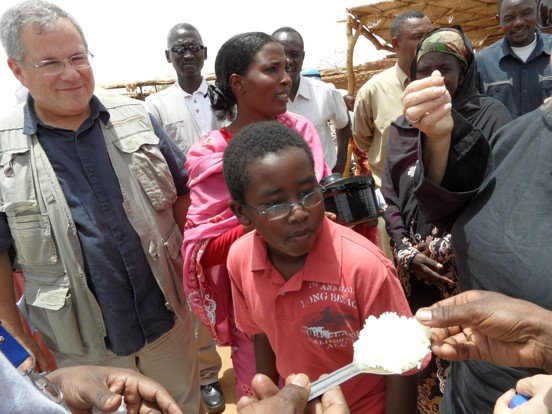
- Cooks rice in approximately 18 minutes.
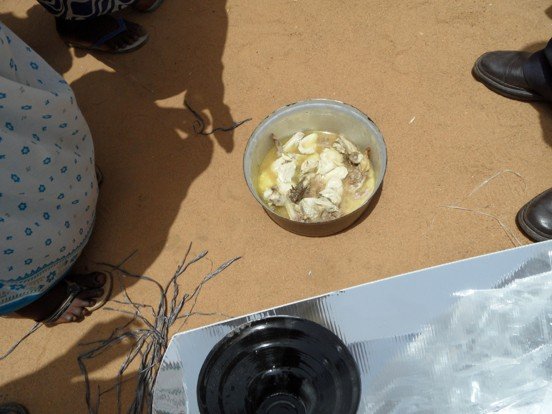
- Successfully used to prepare a variety of meals, including chicken and traditional Sudanese dishes.
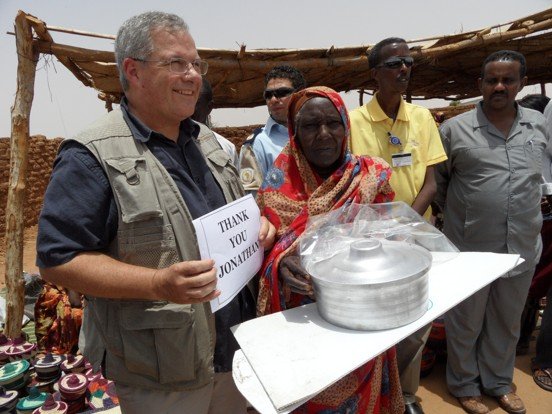
- Demonstrated to humanitarian organizations and government officials, including the United States Special Envoy for Sudan, who participated in a live demonstration and shared a meal prepared using the solar cooker.
Project Achievements
- More than 8,000 beneficiaries have used the solar cooker technology.
- Women in IDP camps were trained to manufacture and maintain the cookers.
- Solar cookers were successfully introduced in Kuttum, El Fasher, Fataborno, Nyala, and Khartoum.
- Thousands of households reduced their dependence on firewood and charcoal.
Expected Outcomes
- Reduced exposure of women and girls to violence while collecting firewood.
- Improved household safety and protection.
- Increased access to clean cooking technology.
- Reduced household spending on cooking fuel.
- Improved access to safe drinking water.
- Enhanced technical and income-generating skills among women.
- Greater adoption of renewable energy solutions in displacement settings.
Impact
The Solar Cooker Project demonstrates how a simple, locally appropriate innovation can deliver multiple humanitarian benefits. By replacing firewood with solar energy, the project has helped protect thousands of women and girls from unnecessary exposure to violence while improving health, reducing environmental degradation, and lowering household costs.
Beyond providing clean energy, the initiative has empowered women through practical skills training and local production, creating opportunities for income generation and community leadership. The project has become a model of how renewable energy can contribute simultaneously to protection, gender equality, environmental sustainability, and resilience in conflict-affected communities.
Future Vision
DPDO aims to expand the Solar Cooker Project to internally displaced persons and refugee camps throughout Sudan and neighboring countries. Future phases will focus on increasing local production, strengthening women’s cooperatives, improving cooker design, and partnering with humanitarian agencies and donors to reach tens of thousands of additional vulnerable families with safe, clean, and affordable cooking technology.