Armed conflict in Darfur has disproportionately affected women and girls, exposing them to displacement, sexual and gender-based violence (SGBV), loss of family members and livelihoods, psychological trauma, and chronic poverty. Many women have become the sole providers for their households while facing limited access to education, healthcare, economic opportunities, and protection services. These challenges have not only undermined their wellbeing but have also weakened the resilience of families and communities.
Recognizing that recovery requires more than humanitarian assistance, DPDO adopted an integrated, survivor-centered approach that combines protection, psychosocial support, education, livelihoods, health promotion, early childhood development, and environmental sustainability. Through safe and inclusive Women Empowerment and Protection Centers, women are supported to recover from trauma, rebuild confidence, develop practical skills, generate sustainable incomes, and become active contributors to peacebuilding and community resilience.
Over the past two decades, DPDO has established more than six Women Empowerment and Protection Centers throughout Darfur, providing comprehensive services to thousands of women and children living in displacement settings. The centers have evolved into trusted community institutions that promote human rights, strengthen social cohesion, foster economic resilience, and provide a safe environment where women can heal, learn, and lead. Today, the program remains a cornerstone of DPDO’s commitment to advancing gender equality, protecting vulnerable populations, and supporting sustainable recovery in conflict-affected communities.
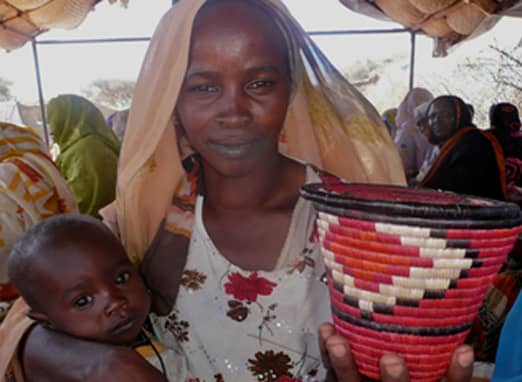

Women and girls have experienced some of the most severe consequences of the protracted conflict in Darfur. Widespread displacement, insecurity, poverty, and the breakdown of social support systems have significantly increased their vulnerability to violence, exploitation, and exclusion. Many have lost their homes, livelihoods, and family members, leaving them responsible for supporting their households with limited resources and few opportunities.
A major protection concern has been the daily collection of firewood outside IDP camps. Women and adolescent girls often travel long distances through insecure areas, where they face heightened risks of sexual violence, physical assault, harassment, and exploitation. Limited access to education, psychosocial care, healthcare, and livelihood opportunities has further reinforced cycles of dependency and vulnerability.
To address these interconnected challenges, DPDO established the Women Empowerment and Protection Centers as safe, community-based spaces offering integrated protection and development services. The centers provide women with access to psychosocial support, literacy and vocational training, income-generating activities, health and protection awareness, and opportunities to rebuild social networks and strengthen community cohesion.
By addressing both immediate protection concerns and the underlying causes of vulnerability, the program promotes resilience, restores dignity, enhances self-reliance, and enables women to play a leading role in community recovery, peacebuilding, and sustainable development.
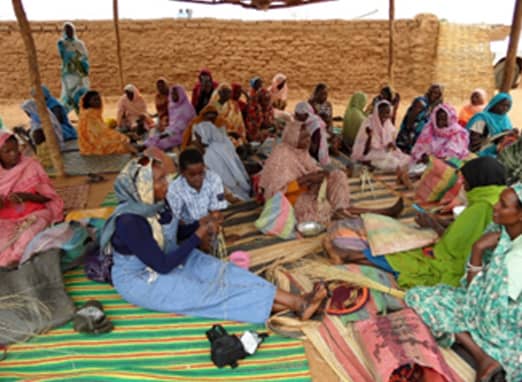
DPDO’s Women Empowerment and Protection Centers operate in some of the most conflict-affected and underserved areas of Darfur, providing integrated services to women and children living in internally displaced persons (IDP) camps and surrounding host communities.
The program currently serves communities across North Darfur and South Darfur through strategically located centers that respond to priority protection and development needs.
Through these centers, DPDO reached displaced populations across North Darfur and South Darfur, providing women and children with safe spaces, protection services, education opportunities, psychosocial support, and livelihood development programs.
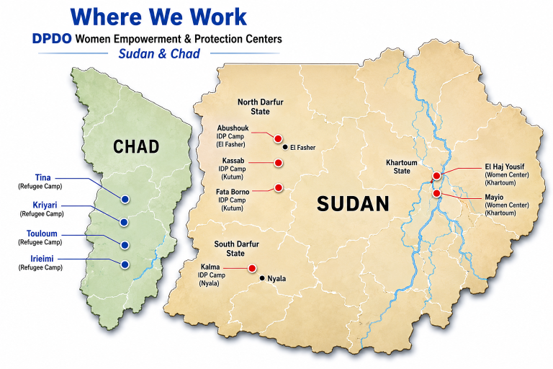
The program established and supported centers in the following IDP camps and communities:
Through these centers, DPDO reached displaced populations across North Darfur and South Darfur, providing women and children with safe spaces, protection services, education opportunities, psychosocial support, and livelihood development programs.
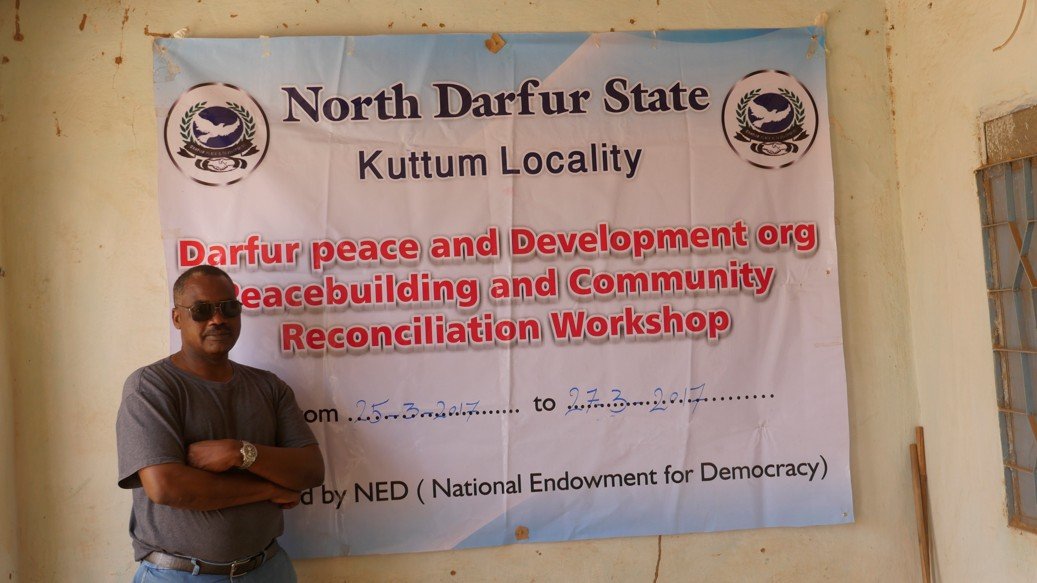
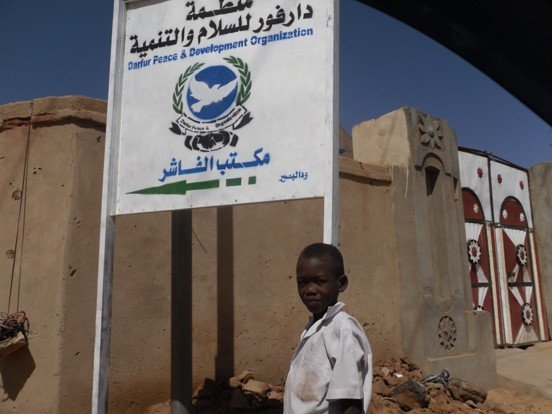
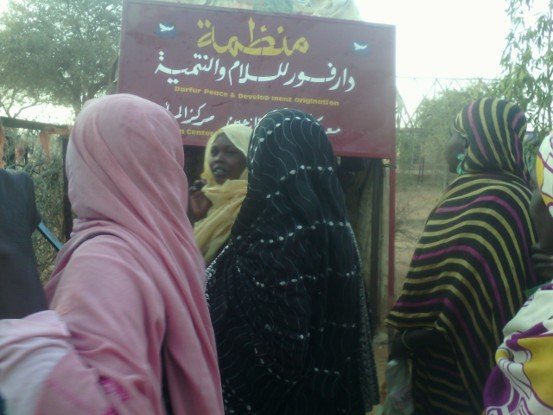
These locations were selected based on the urgent protection needs of displaced women and children, particularly communities affected by violence, repeated displacement, and limited access to education and livelihood opportunities.
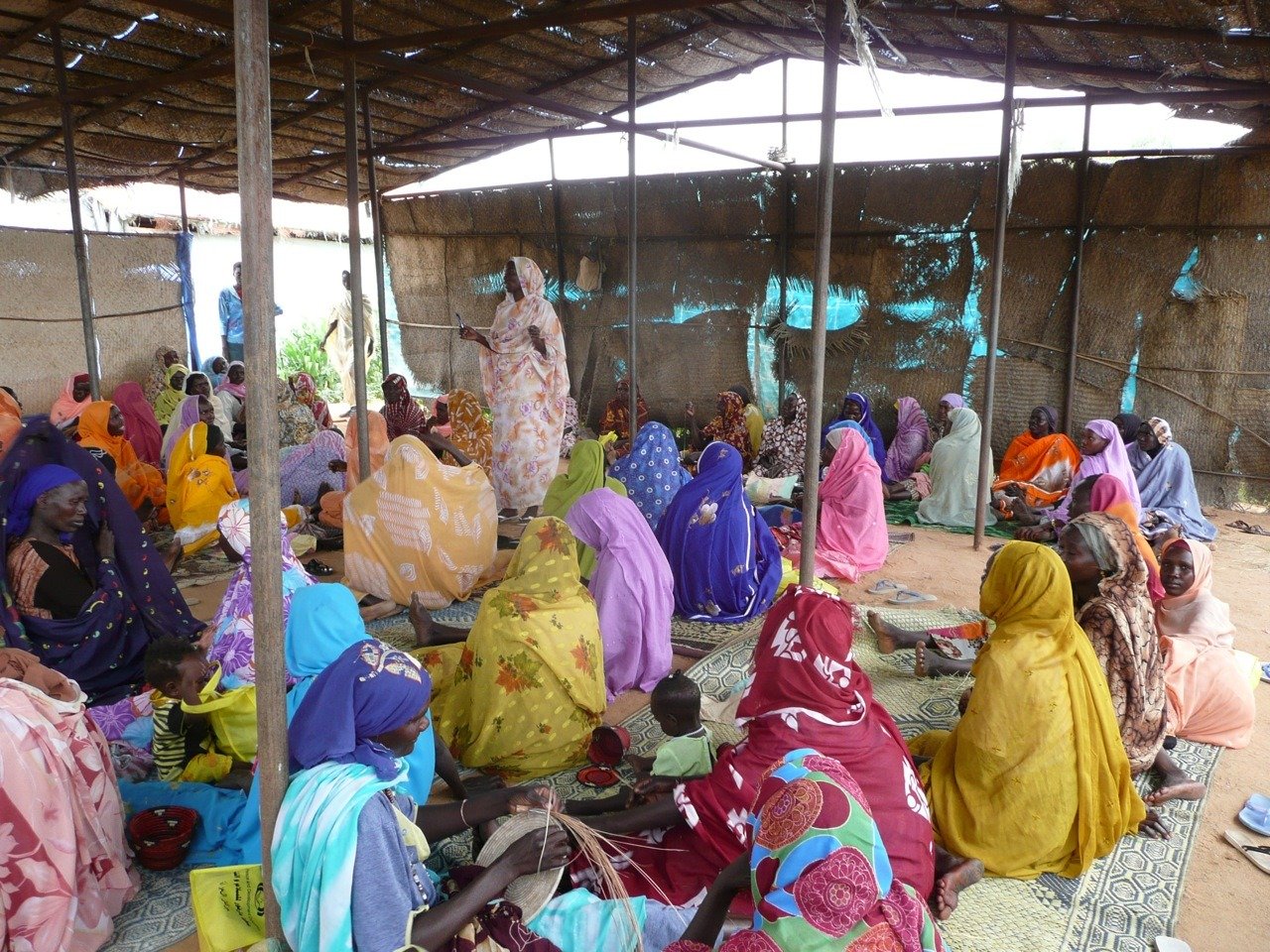
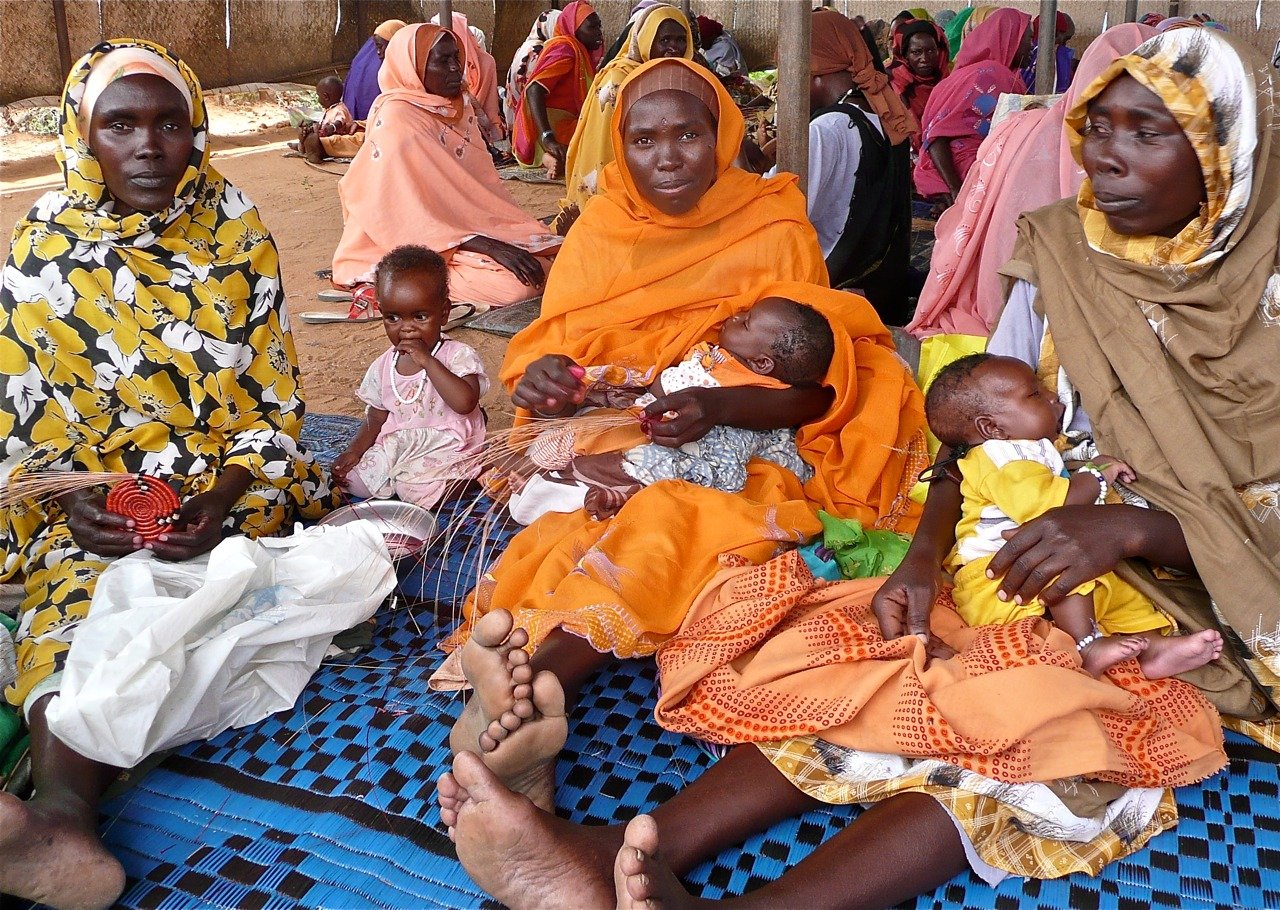
Across these areas, the Women Empowerment and Protection Centers became trusted community hubs where women could gather safely, develop skills, access support services, and participate in activities that strengthened their resilience and ability to rebuild their lives.
The geographical expansion of these centers reflects DPDO’s long-term commitment to reaching marginalized populations and supporting women as key partners in peacebuilding, community recovery, and sustainable development in Darfur.
The centers provide a secure environment where women and children can gather, receive support, and participate in activities away from the risks associated with displacement and conflict.
Major protection activities include:
The centers have helped reduce isolation and vulnerability while strengthening women’s confidence and ability to respond to protection challenges.
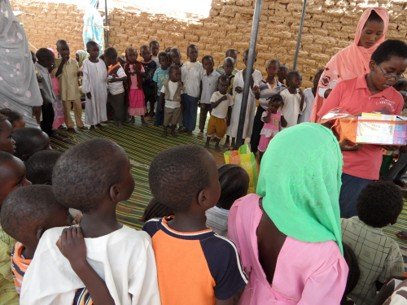
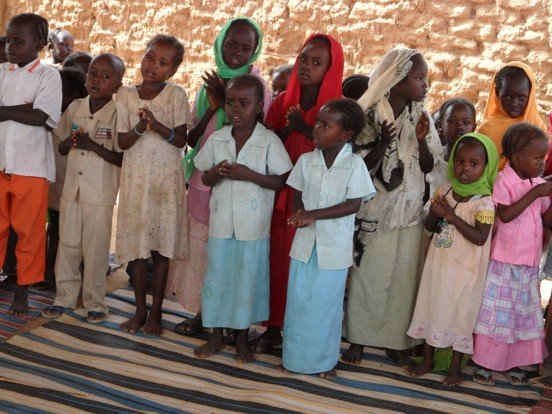
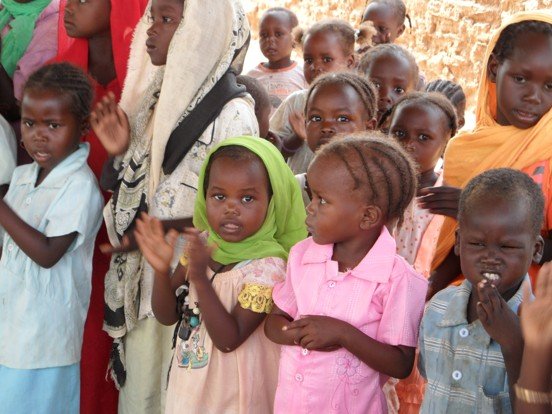
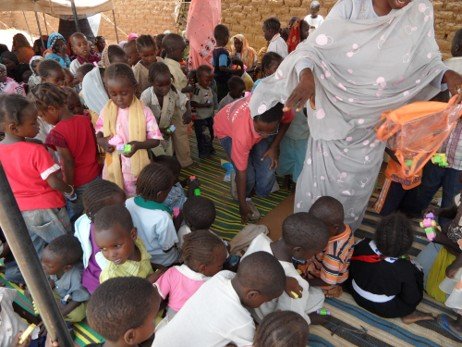
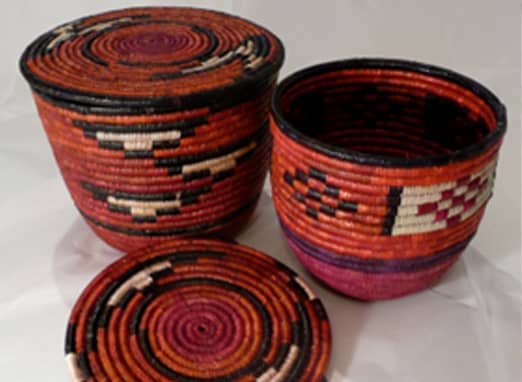
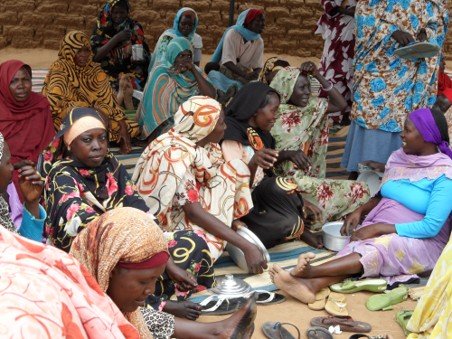
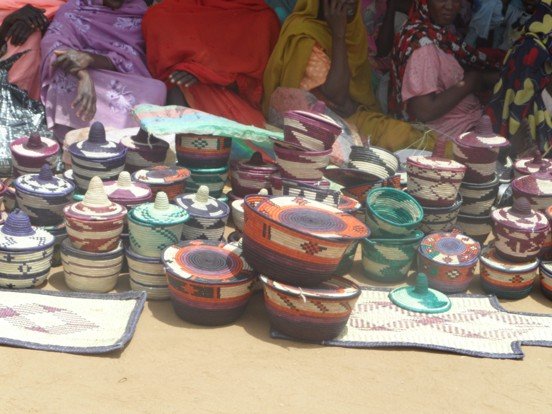
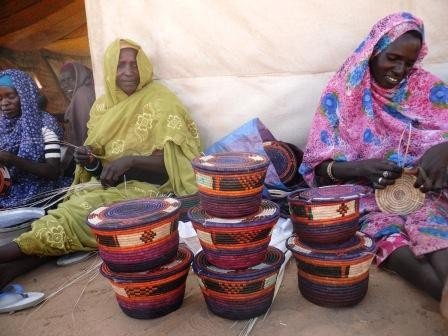
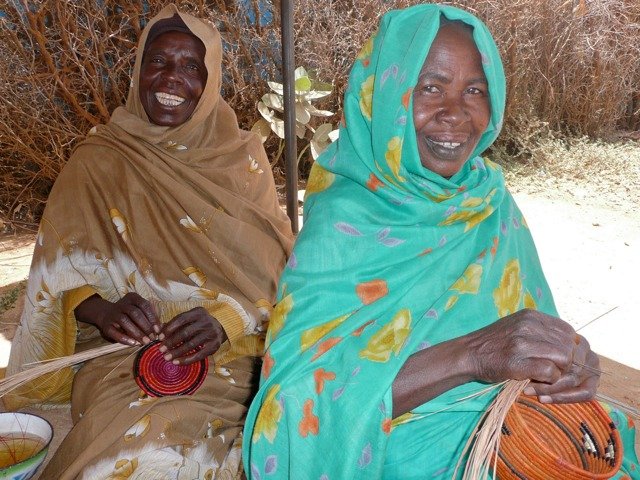
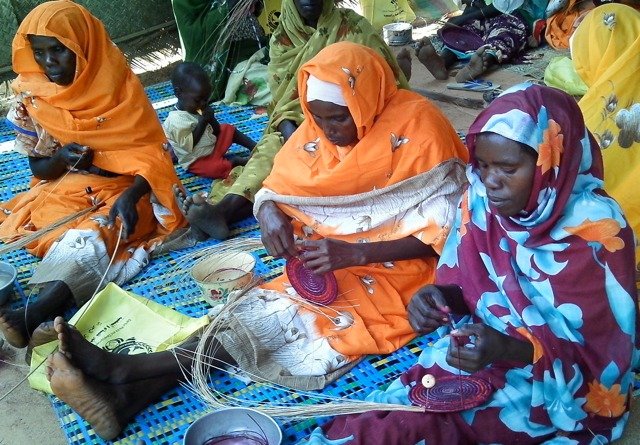
A central component of the Women Empowerment and Protection Centers has been supporting women to achieve greater economic independence.
Women participate in:
These programs have enabled women to generate income, support their families, and regain a sense of dignity and self-reliance despite difficult living conditions.

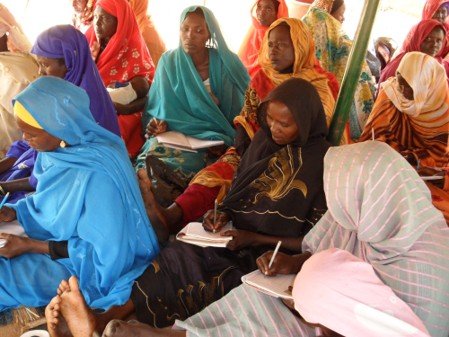
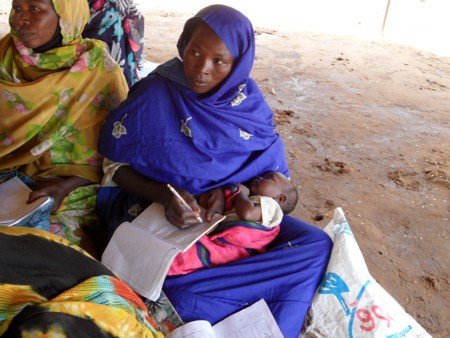
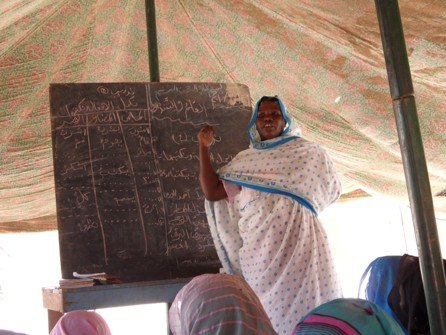
The centers have provided opportunities for women who were denied access to formal education due to conflict, displacement, or poverty.
Programs include:
Education has empowered women with knowledge, confidence, and greater participation in decision-making within their families and communities.
Recognizing the importance of early childhood development, the centers have supported children through preparatory educational activities before entering formal schools.
Programs include:
These activities have helped displaced children begin their educational journey with improved readiness and confidence.
Many women and children in Darfur have experienced severe emotional distress due to conflict, displacement, loss of family members, and exposure to violence.
The centers provided:
These interventions helped women recover emotionally, rebuild self-esteem, and strengthen their ability to cope with the impact of conflict.
The Women Empowerment and Protection Centers also served as platforms for advancing human rights awareness and women’s participation in community development.
Activities included:
Through these efforts, women became active contributors to community stability and social recovery.
The Women Empowerment and Protection Centers have created lasting social impact by transforming displacement camps from places of vulnerability into communities of resilience and opportunity.
Key achievements include:
The centers have demonstrated that humanitarian assistance is most effective when it goes beyond immediate relief and invests in dignity, empowerment, and long-term community resilience.
DPDO continues to seek partnerships with international donors, humanitarian organizations, and development agencies to expand and strengthen Women Empowerment and Protection Centers in Sudan and other conflict-affected regions.
With continued support, these centers can provide more women and children with:
Investing in women is investing in the future of communities affected by conflict.
Dr. Sabah holds a Bachelor of Medicine and Surgery from Sanaa University, Republic of Yemen. She is a certified obstetrician and gynecologist by the Jordanian Board of Obstetrics and Gynecology, and the Arab Board of Obstetrics and Gynecology. Prior to her current role as Deputy Director of the Modern Medicine Center, she served as an Obstetrics and Gynecology Specialist at the Dubai Health Authority, Director General of Sharjah City Medical Center, and Medical Director of the National Center of Modern Medicine. Dr. Sabah is a member of the Emirates Medical Association and currently serves as the Chairman of the Supreme Council of Consulting and Training Group (Five and One Training Centre) within Mohammed bin Rashid’s projects – Government of Dubai. Additionally, she is the Chairman of KENZEL FACILITY MANAGEMENT within Mohammed bin Rashid’s projects – Government of Dubai. Dr. Sabah’s extensive experience and leadership in the medical industry make her a valuable asset to our DPDO organization.
Dr. Sabah holds a Bachelor of Medicine and Surgery from Sanaa University, Republic of Yemen. She is a certified obstetrician and gynecologist by the Jordanian Board of Obstetrics and Gynecology, and the Arab Board of Obstetrics and Gynecology. Prior to her current role as Deputy Director of the Modern Medicine Center, she served as an Obstetrics and Gynecology Specialist at the Dubai Health Authority, Director General of Sharjah City Medical Center, and Medical Director of the National Center of Modern Medicine. Dr. Sabah is a member of the Emirates Medical Association and currently serves as the Chairman of the Supreme Council of Consulting and Training Group (Five and One Training Centre) within Mohammed bin Rashid’s projects – Government of Dubai. Additionally, she is the Chairman of KENZEL FACILITY MANAGEMENT within Mohammed bin Rashid’s projects – Government of Dubai. Dr. Sabah’s extensive experience and leadership in the medical industry make her a valuable asset to our DPDO organization.
Dr. Suliman A. Giddo is a highly accomplished expert with over twenty years of intensive and comprehensive experience in leadership, international relations, strategic planning, conflict resolution and disaster and emergency management; having successfully created strategic plans for governments and private institutions in the Middle East, Africa, and the United States. He is also a renowned academic and researcher at George Mason University, with a proven track record of excellence in teaching at American universities including the School of Business at Indiana, and serving in senior positions for several international organizations, including the prestigious American Red Cross, Management System International and Qatar Foundation. Dr. Giddo’s extensive experience includes serving as a consultant for the UA-UN joint mission. He also served as a board member for several institutions and organizations.
Dr.Giddo is the dynamic founder and president of Sub-Saharan University, which offers eight programs in diverse fields such as medicine and general surgery, nursing, medical lab, business administration, information technology, computer network, and banking and finance, with over 2000 enrolled students mostly from Internal Displaced Persons.
Dr. Giddo earned his Ph.D. in Peace Studies and Conflict Analysis and Resolution from George Mason University in the United States, where he demonstrated exceptional academic prowess. He also completed postgraduate studies in Humanitarian Assistance from Fordham University in New York, a Master of Science in Business Administration/Accounting from Strayer University in Virginia, where he was an outstanding alumni (2008), and post-graduate studies in Strategic Planning and Project Management from the prestigious Stanford University in California. Dr. Giddo obtained his B.Sc. in Business Administration from the University of Khartoum.